ZooMS
Peptide Mass Fingerprinting
What is ZooMS?
In archaeological context bones are destroyed due to taphonomic and/or human activities. Thus less than 10% of the remains are identified. In the last decade, the field of bioarchaeology has seen the development of Zooarchaeology by Mass Spectrometry (ZooMS), a method based on peptide sequence analysis of collagen proteins, which facilitates the identification of bones, teeth, skin, and horns. While DNA analysis are extramely expensive and need a very good preservation of collagen, ZooMS is easy to perform, cheap, and need 1000x less collagen preserved.
ZooMS has proven effective in identifying raw materials for the bone industry and bone personal ornaments. The method is particularly valuable for analyzing poorly preserved paleofaunal collections, where most bones are highly fragmented.
The Method
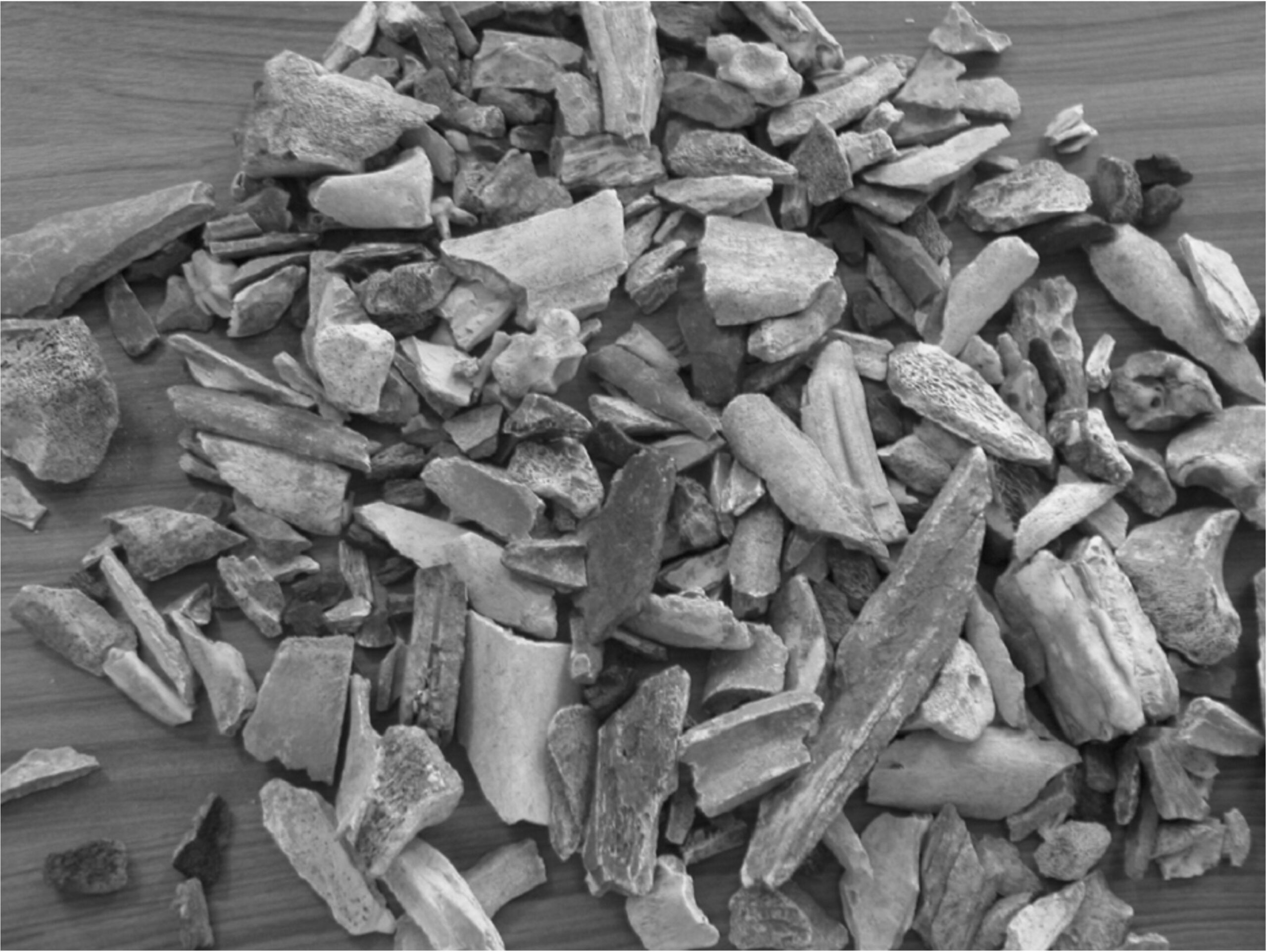
Sample preparation for collagen extraction
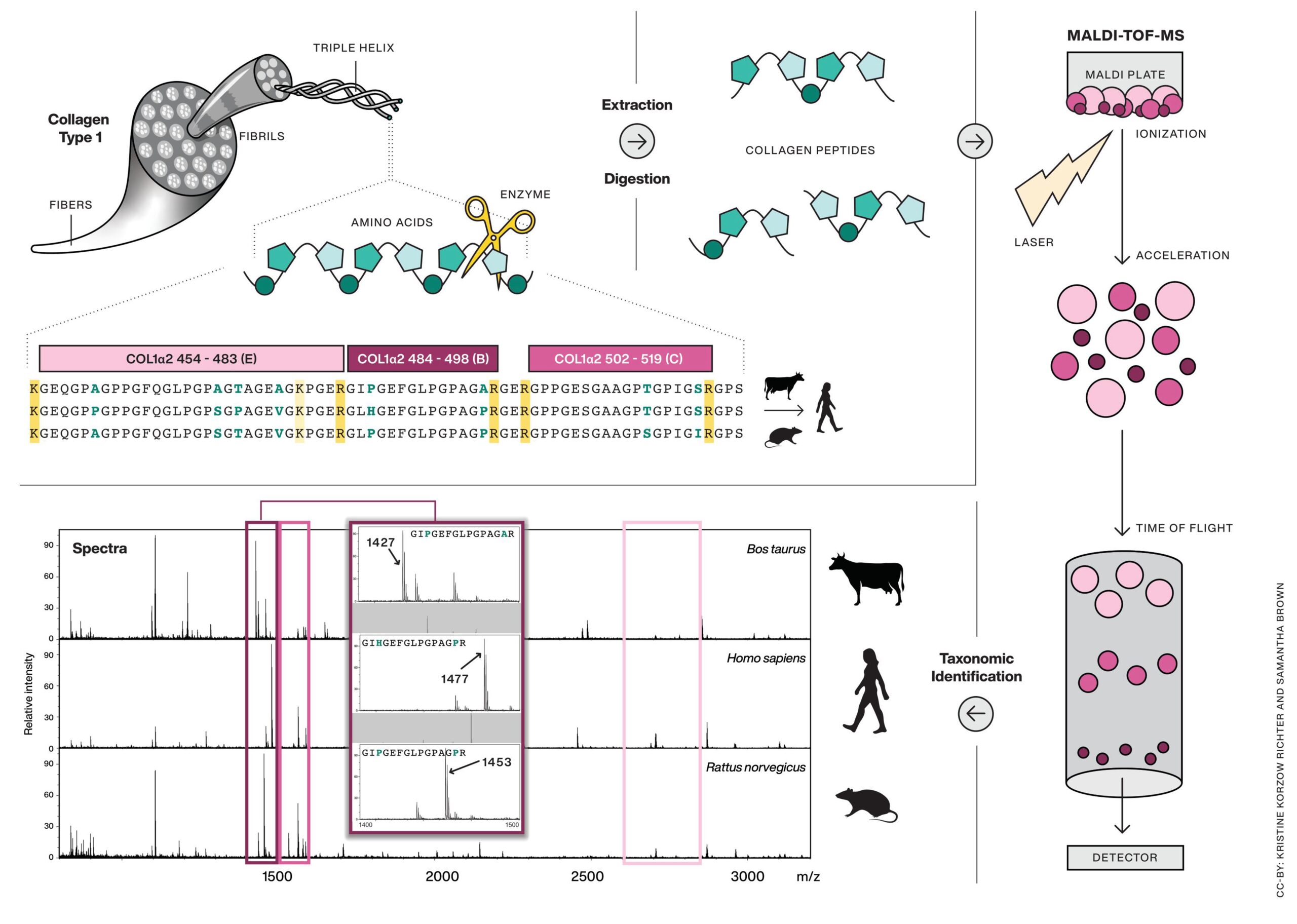
ZooMS (Zooarchaeology by Mass Spectrometry) distinguishes species based on the variations in the amino acid sequences of collagen proteins. The sequence of amino acids in a species' collagen is determined by its DNA and, similar to DNA, it reflects the species' evolutionary history. The greater the evolutionary distance between two species, the more distinct their collagen protein sequences will be. ZooMS generally identifies samples at the genus level, although in some instances, the identification can be more or less precise. Detailed knowledge of the archaeological context of the sample can enhance the accuracy of species identification.
When applied on teeth, recent advancements have also shown the capability of determining sex while for a lot of species these specific materials are.
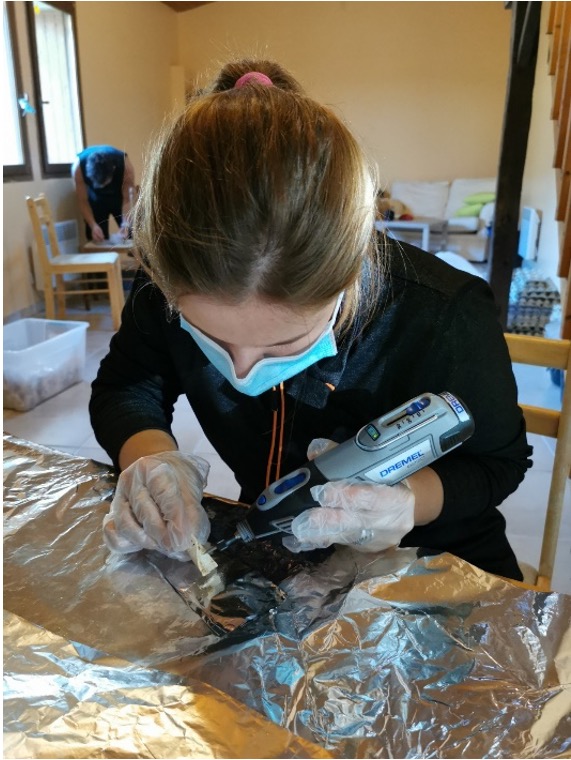
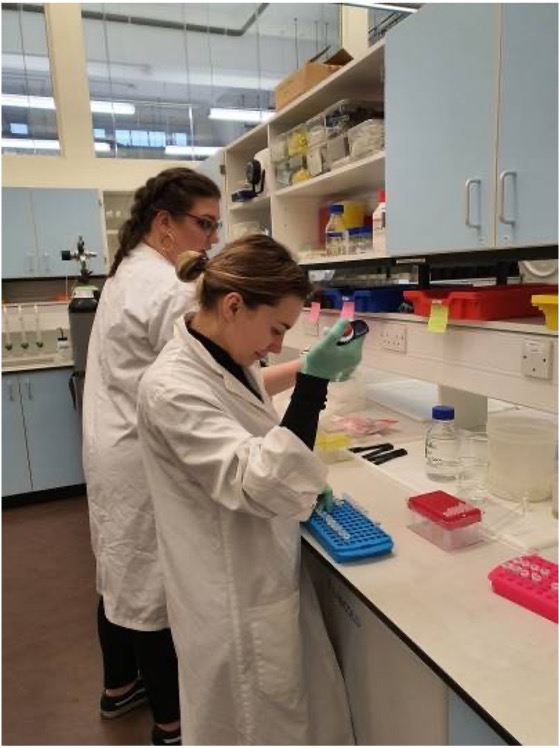
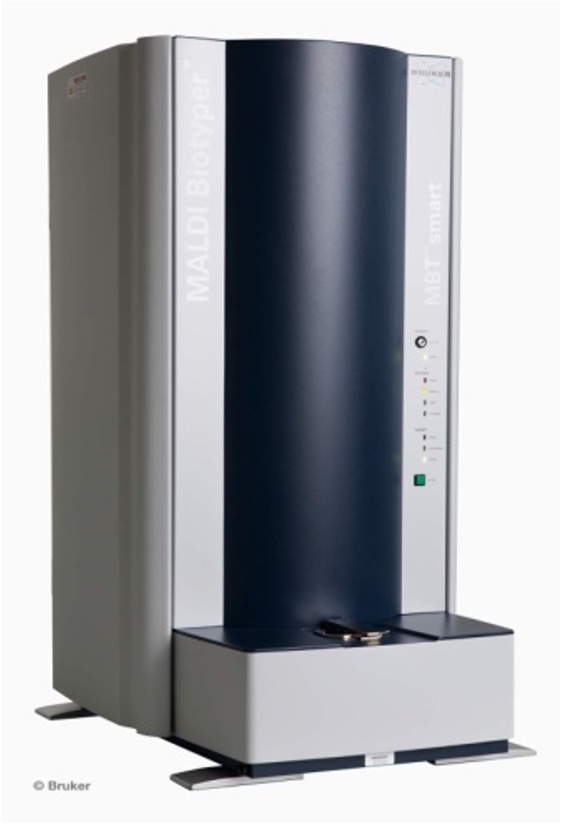
Laboratory Infrastructure
For each sample, 10-20 mg of bone is collected using a drilling machine. First, the samples are demineralized with 0.6 M hydrochloric acid for 18 hours at 4 °C. After centrifugation, the supernatant is removed and frozen. The sample is washed with ammonium bicarbonate to restore the neutral pH. Subsequently, ammonium bicarbonate is added to the sample, and it is incubated, followed by centrifugation. The sample is then divided into two, with one part reserved and treated with sequencing-grade trypsin and incubated.
The reaction is stopped by adding trifluoroacetic acid to the samples. The peptides (protein fragments) are then purified and fractionated, separated into 0-10% acetonitrile (ACN) and 10-50% ACN fractions. The fractions are dried and resuspended in TFA. Subsequently, 1 µL of each sample is co-crystallized with 1 µL of a solution of α-cyano-4-hydroxycinnamic acid, and the samples from each fraction are applied to a stainless steel target plate for matrix-assisted laser.
desorption/ionization-time-of-flight mass spectrometry (MALDI-TOF MS). MALDI-TOF MS analysis is performed on a Bruker Autoflex Speed, with signals recorded by accumulating 3000-25000 shots in the positive-reflected mode within the m/z range of 700-3700. The obtained spectra are analyzed using Bruker Daltonics FlexAnalysis 3.3 software. MALDI-TOF MS spectra are recorded for each of the collagen fractions. This method is consistently applied when analyzing both modern and archaeological reference materials.
Archaeological Applications
The first laboratory we established, ZooSCAn (IRL 2013 CNRS IAET SB RAS) yielded already significant results in a large range of archaeological contexts and on various archaeological materials.
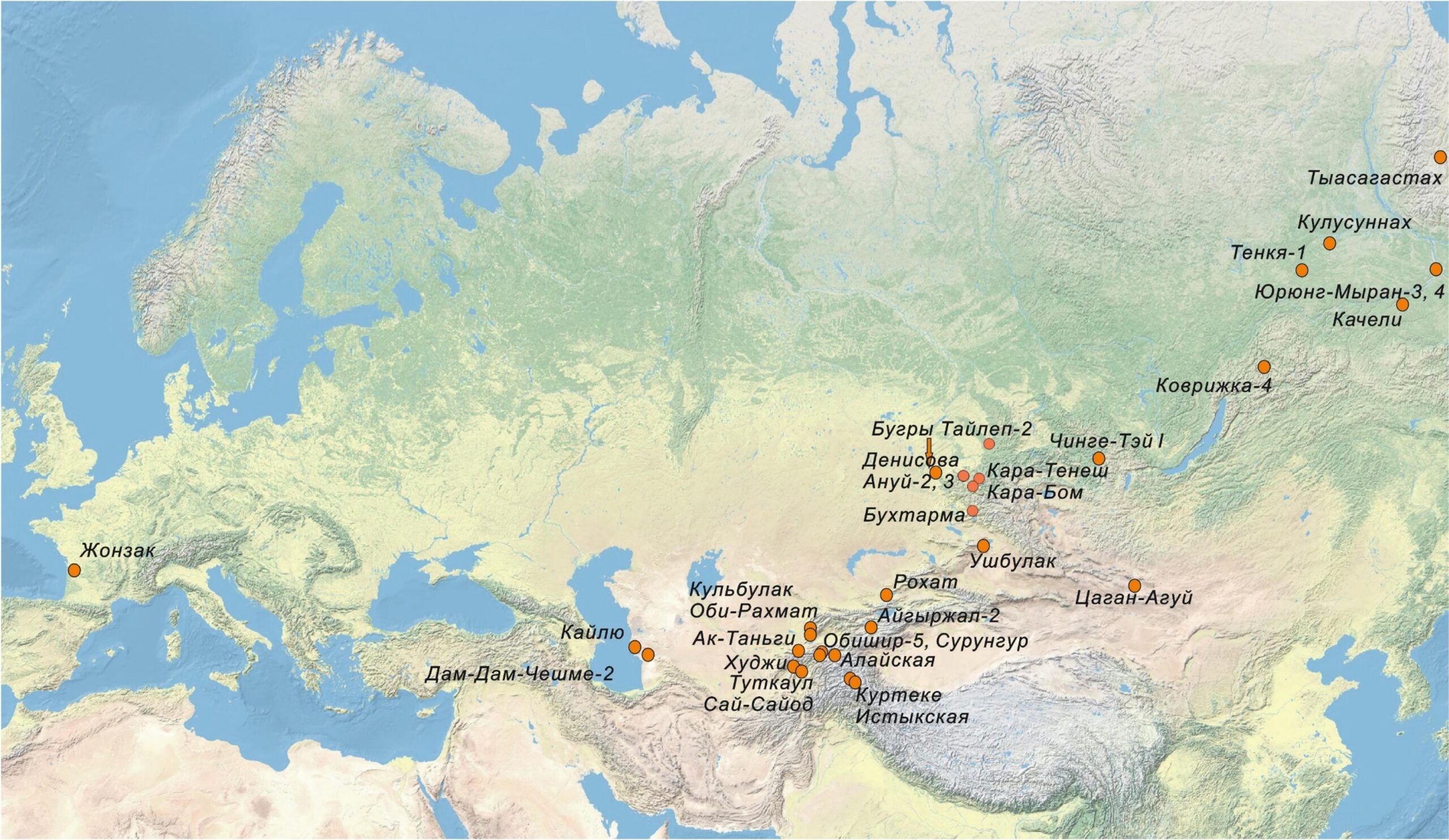
Analysis we have performed in our previous twin laboratory at ZooSCAn
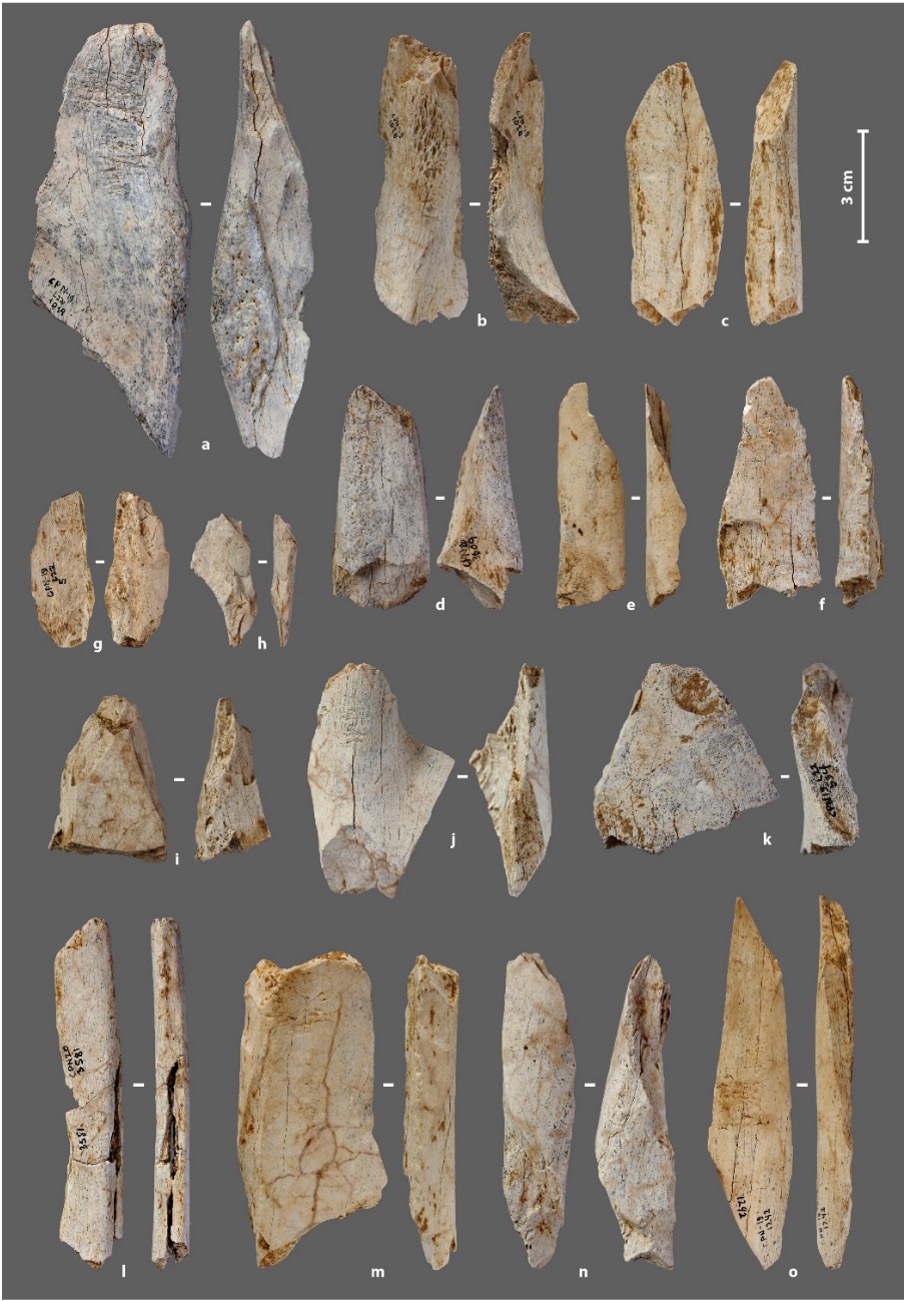
Chez Pinaud – Jonzac (France). Identification of the blanks used for the Neanderthal bone tool industry

Bugri-4 site (Pazyryk culture). Excavations of A.A. Tishkin
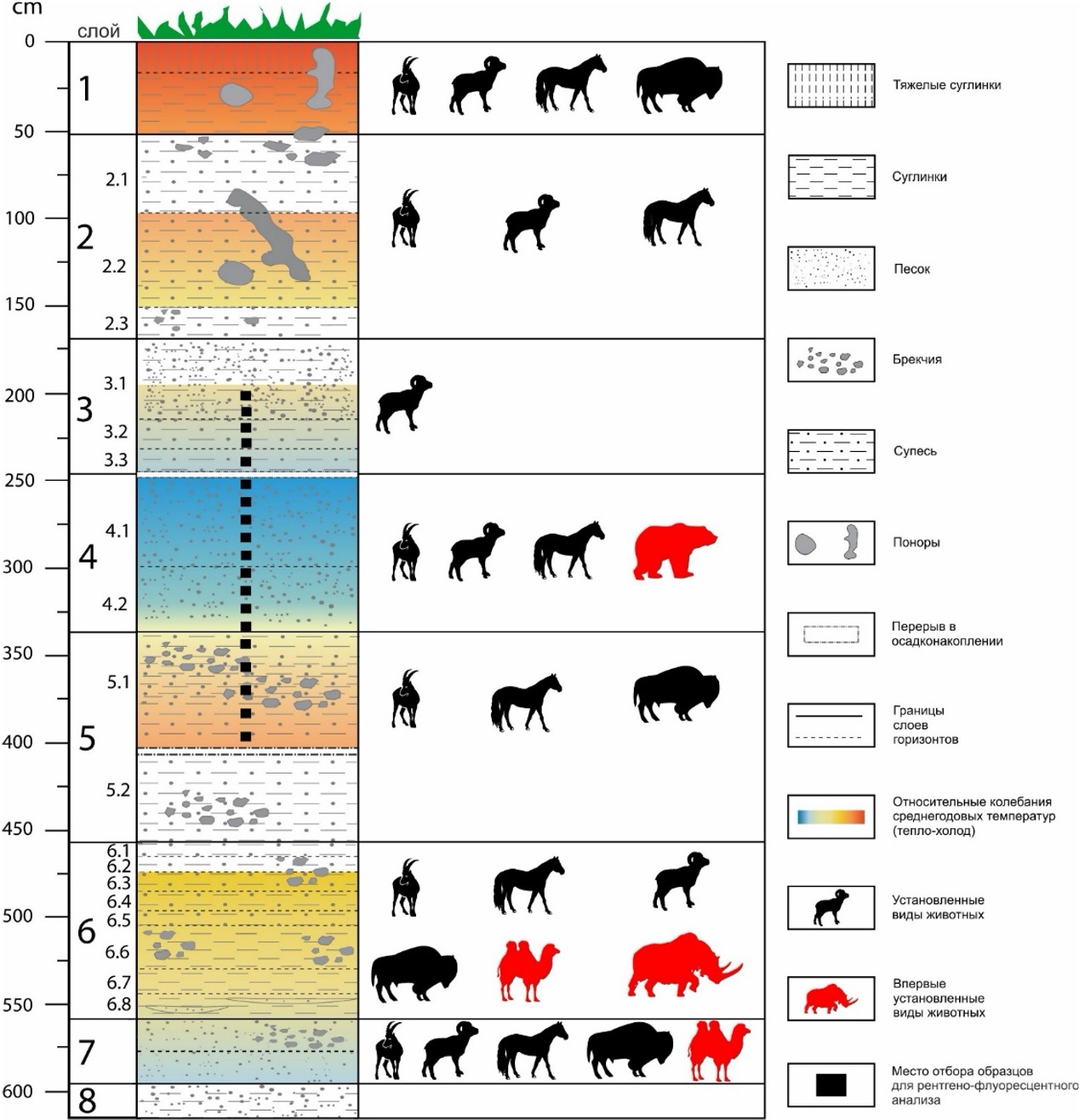
Excavations of Zh.K. Taimagambetov and A.A. Ahoikin
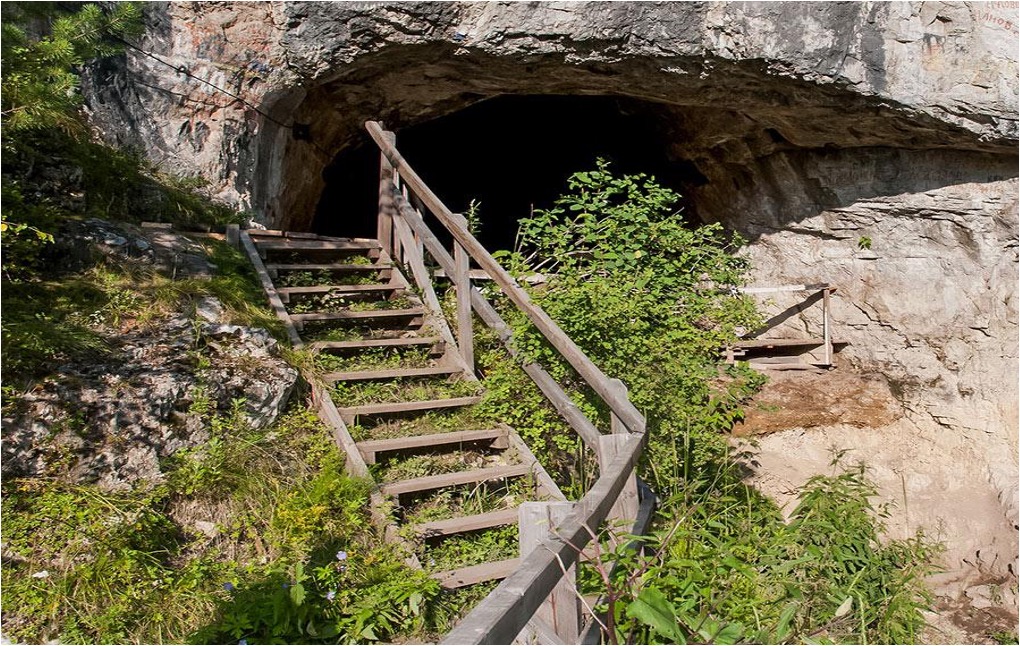
Denisova Cave (Russia). Identification of new human reamains. Excavations of M.V. Shunkov and M.B. Kozli
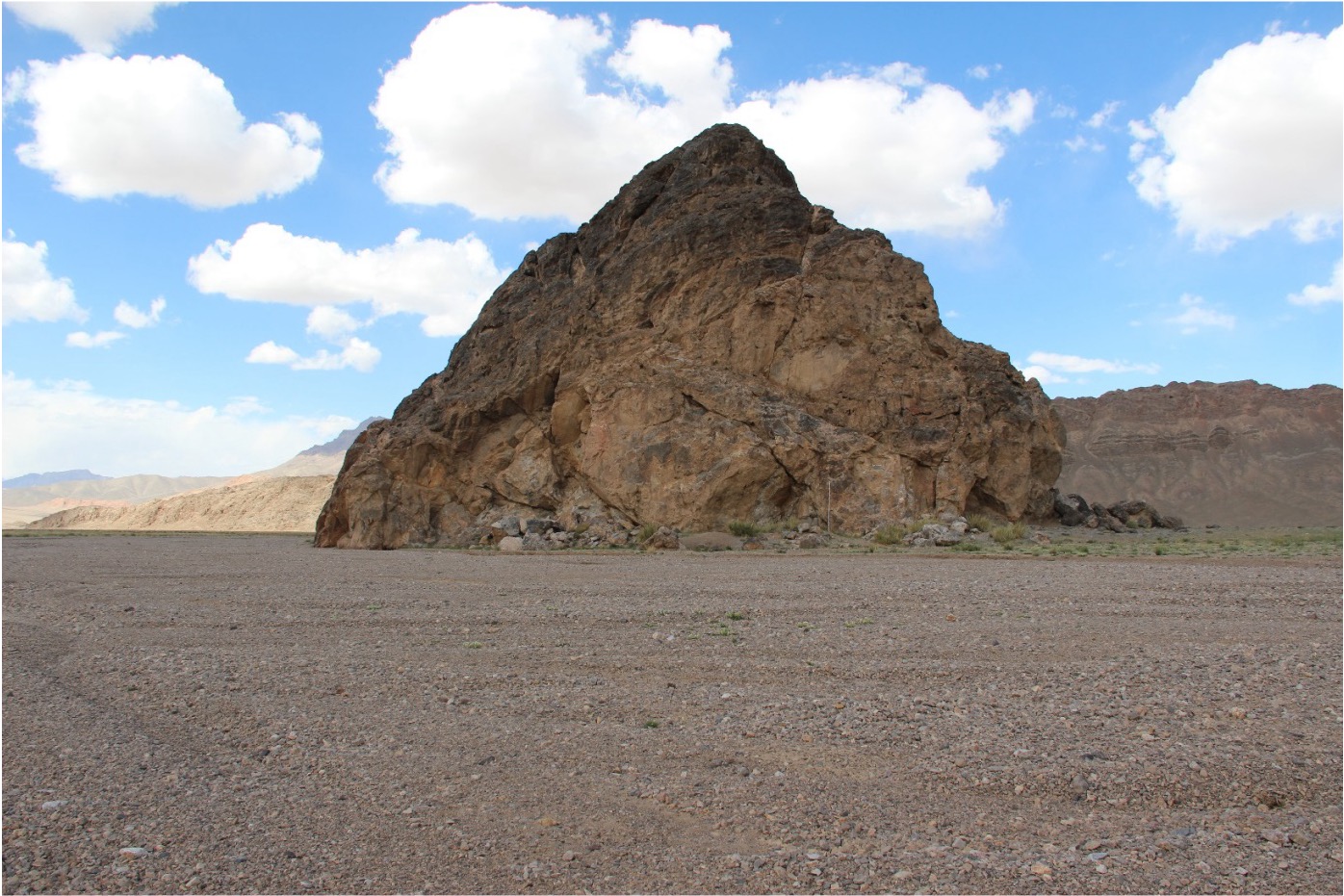
Kurteke (Tadjikistan): Revision of the faunal spectrum. Excavations of V.A. Ranov, S.V. Shnaider and N. Sayfulloev