We conduct our fieldworks in...
France
Chez-Pinaud Archaeological Site
Chez-Pinaud is an archaeological site located in southwestern France, in the Charente department. It is considered one of the key Upper Paleolithic sites, known for its rich stratigraphy and diverse archaeological findings.
The site is particularly important for understanding Neanderthal lifeways. Evidence points to intensive hunting activities and the presence of bone tools, reflecting a high level of technological adaptation.


Fieldwork at Chez-Pinaud, Jonzac, France. Collaborative excavation with CNRS, 2024–2025.
In addition, Chez-Pinaud holds significant geoarchaeological value. The characteristics of its sedimentary layers allow researchers to reconstruct the environmental conditions and occupation dynamics of the region in deep prehistory.
The study of the site going here by international team leaded by Dr. William RENDU with co-directors from Uzbekistan (Dr. Ksenia KOLOBOVA), Kazakhstan (Dr. Svetlana SHNAIDER) and Kyrgyzstan (Dr. Temirlan CHARGYNOV).
Eastern Pamir
Kurteke Cave
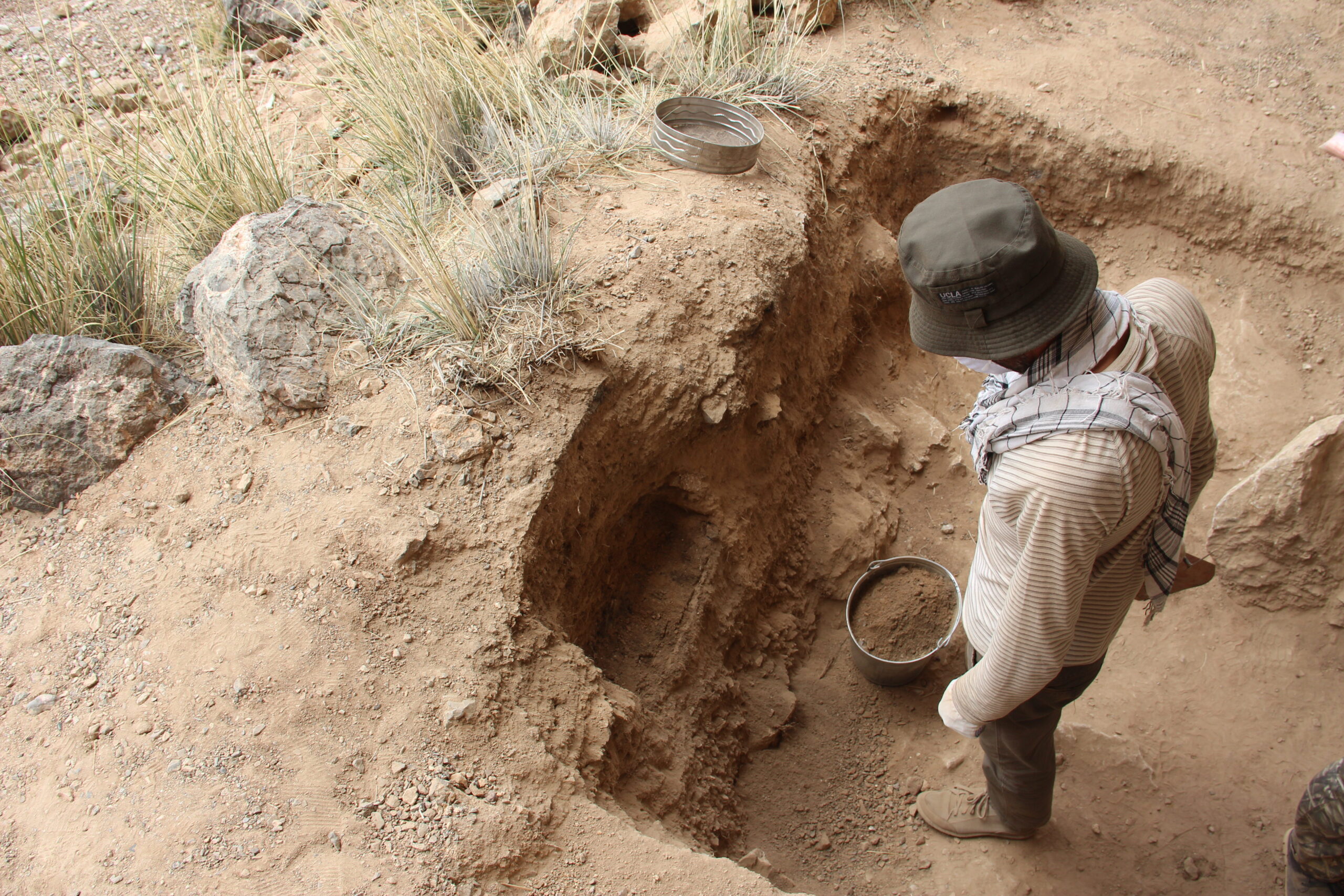
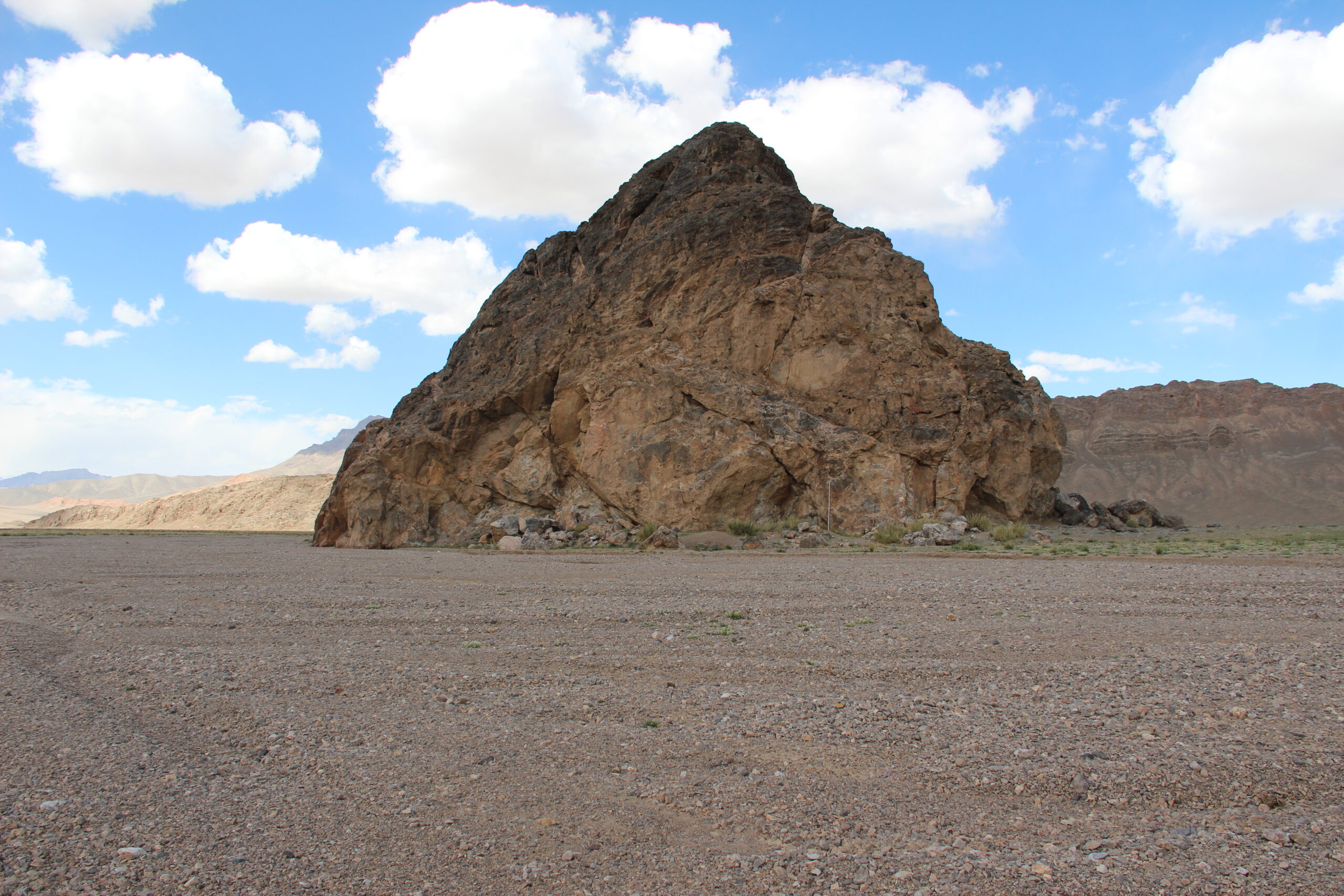
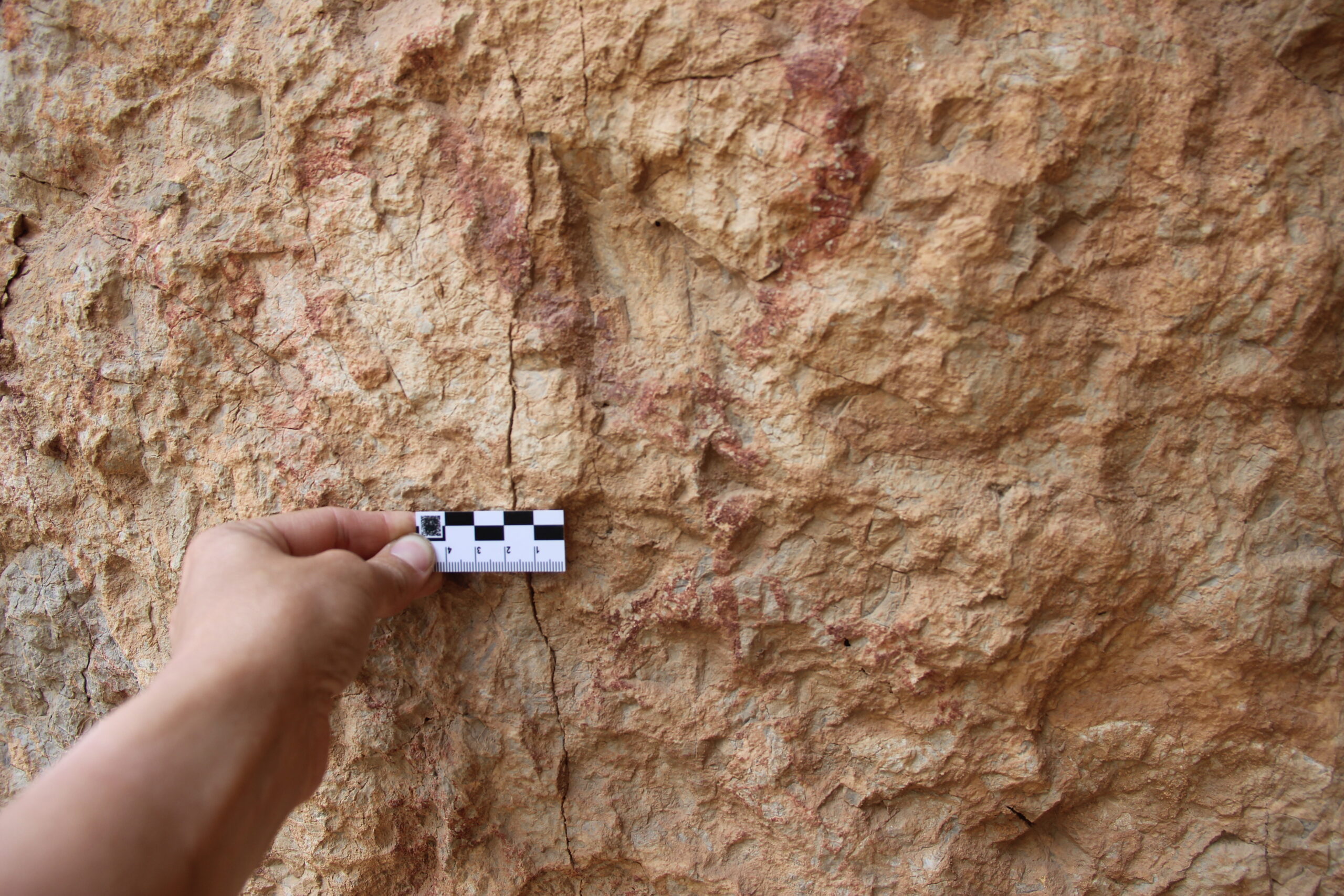
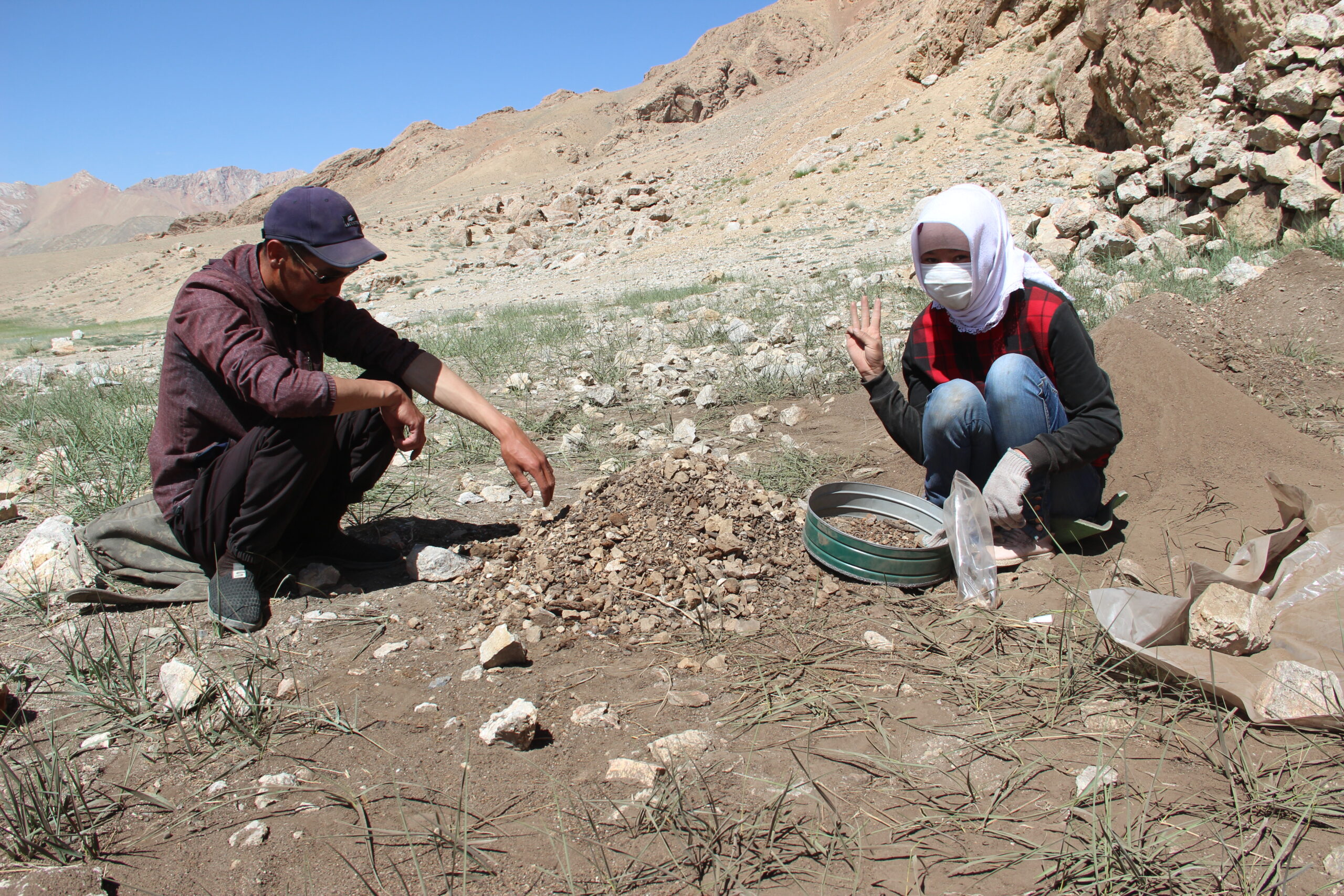
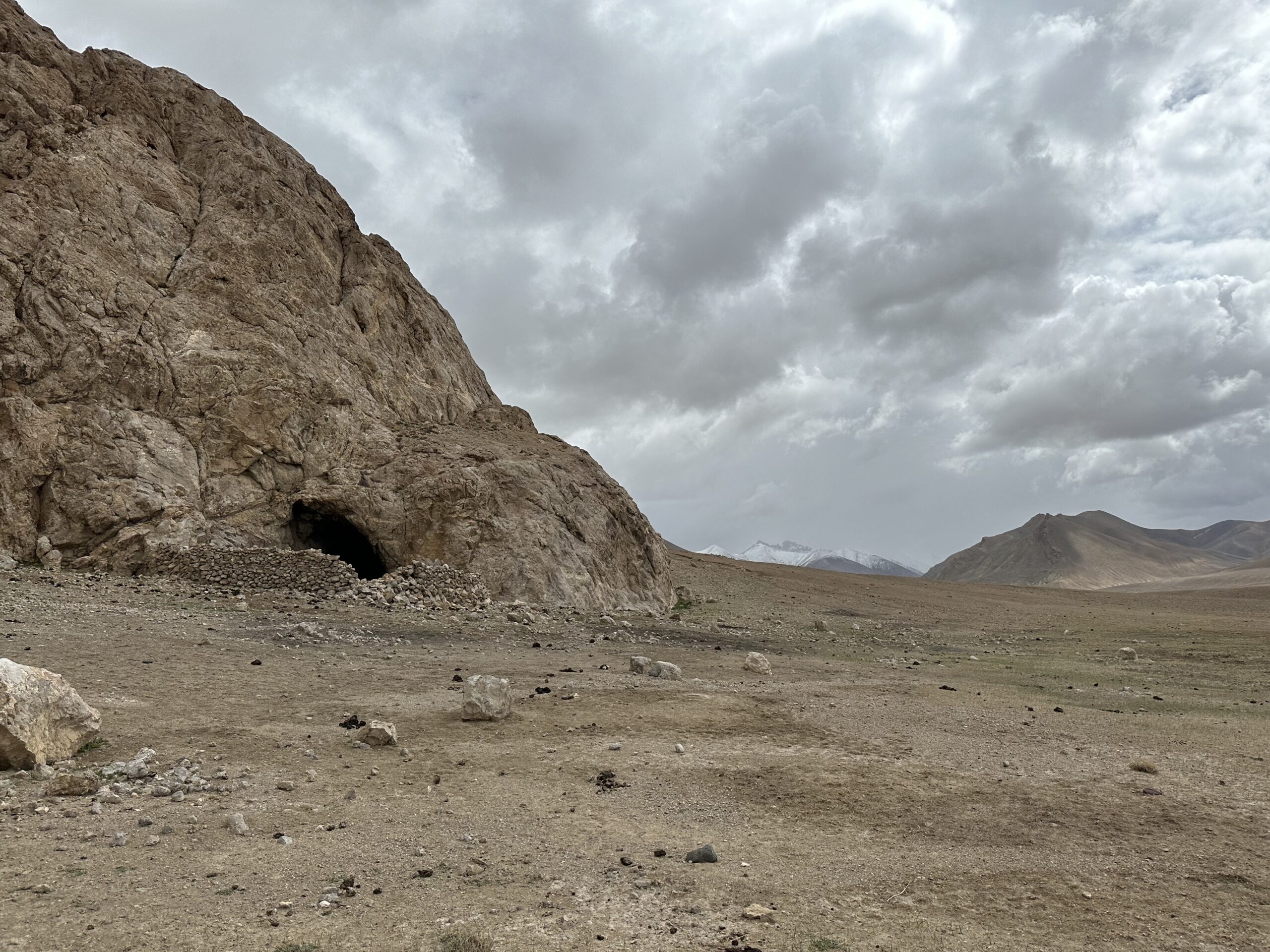
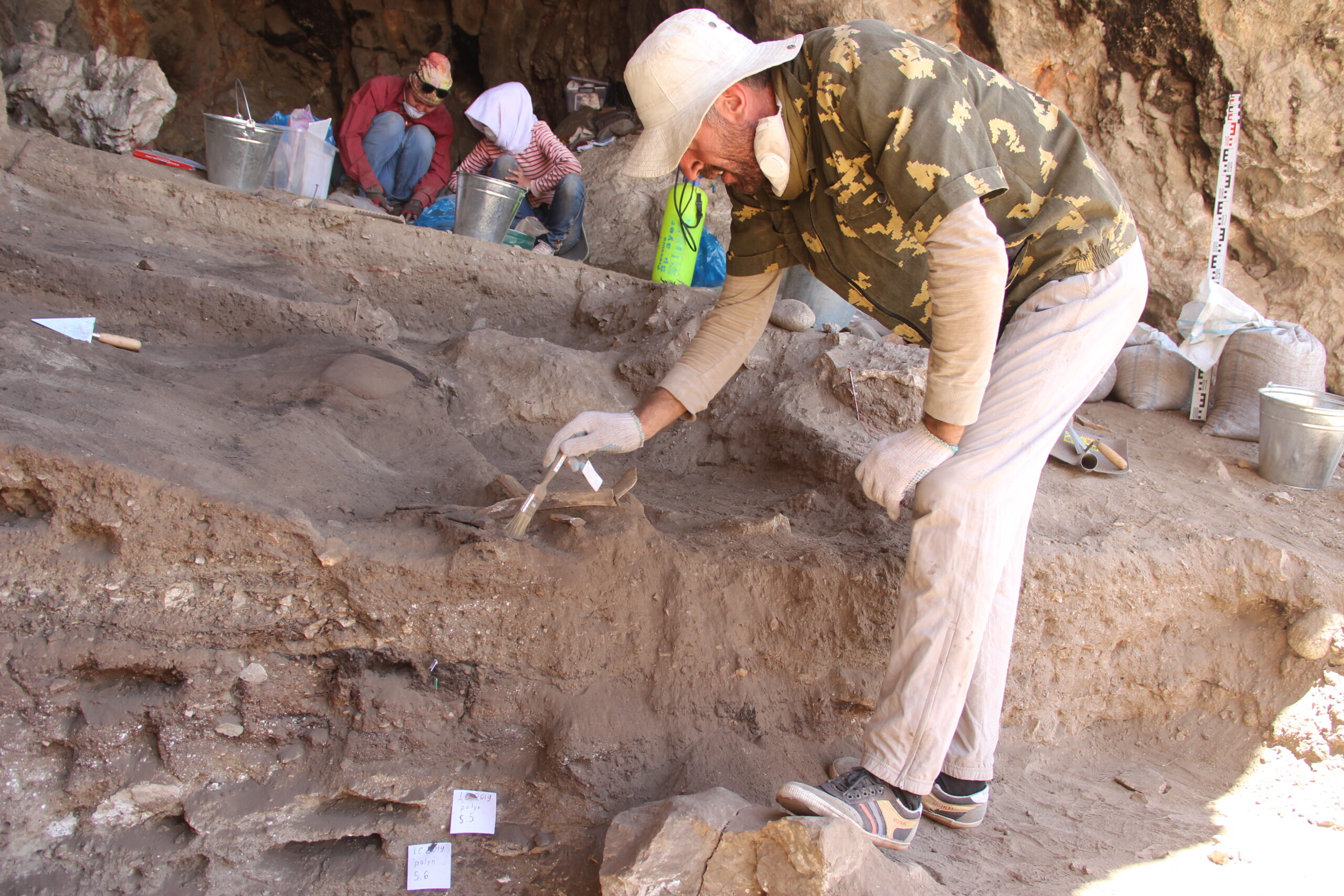
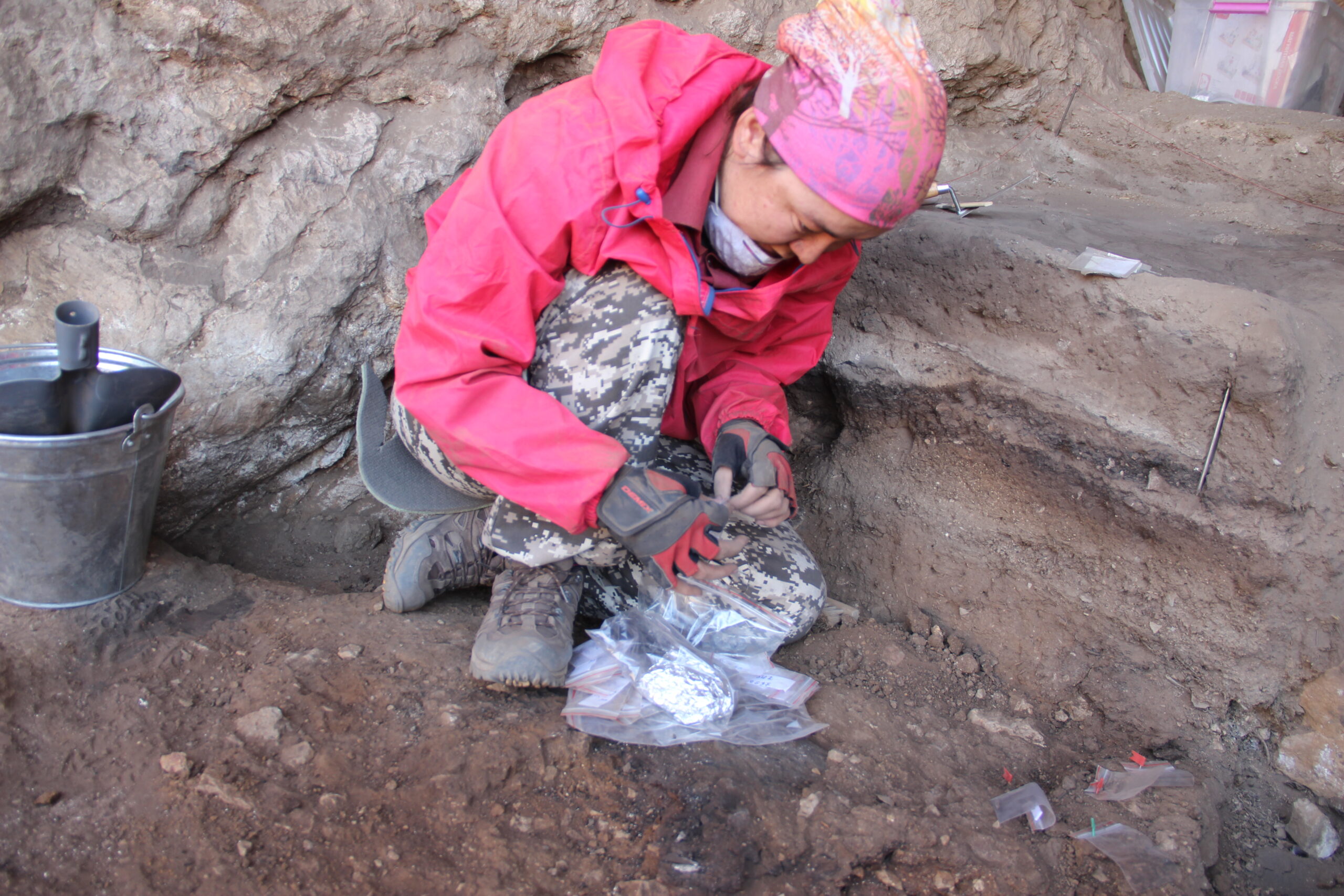
Kurteke is a high-altitude cave site located at 3,980 meters above sea level in the Kurteke River valley of the Eastern Pamirs. The site contains well-preserved archaeological layers with evidence of repeated human presence. Finds include lithic microblades and flakes with signs of use, animal bones (such as sheep/goat, wild ass, and hares), as well as charred and uncharred plant remains, including Potentilla seeds. Fragments of dung and charcoal suggest that people returned to this site multiple times, processing animal carcasses and using dung as fuel. Radiocarbon dating indicates that the site was visited repeatedly from the end of the Pleistocene through the Bronze Age.
Istykskaya Cave
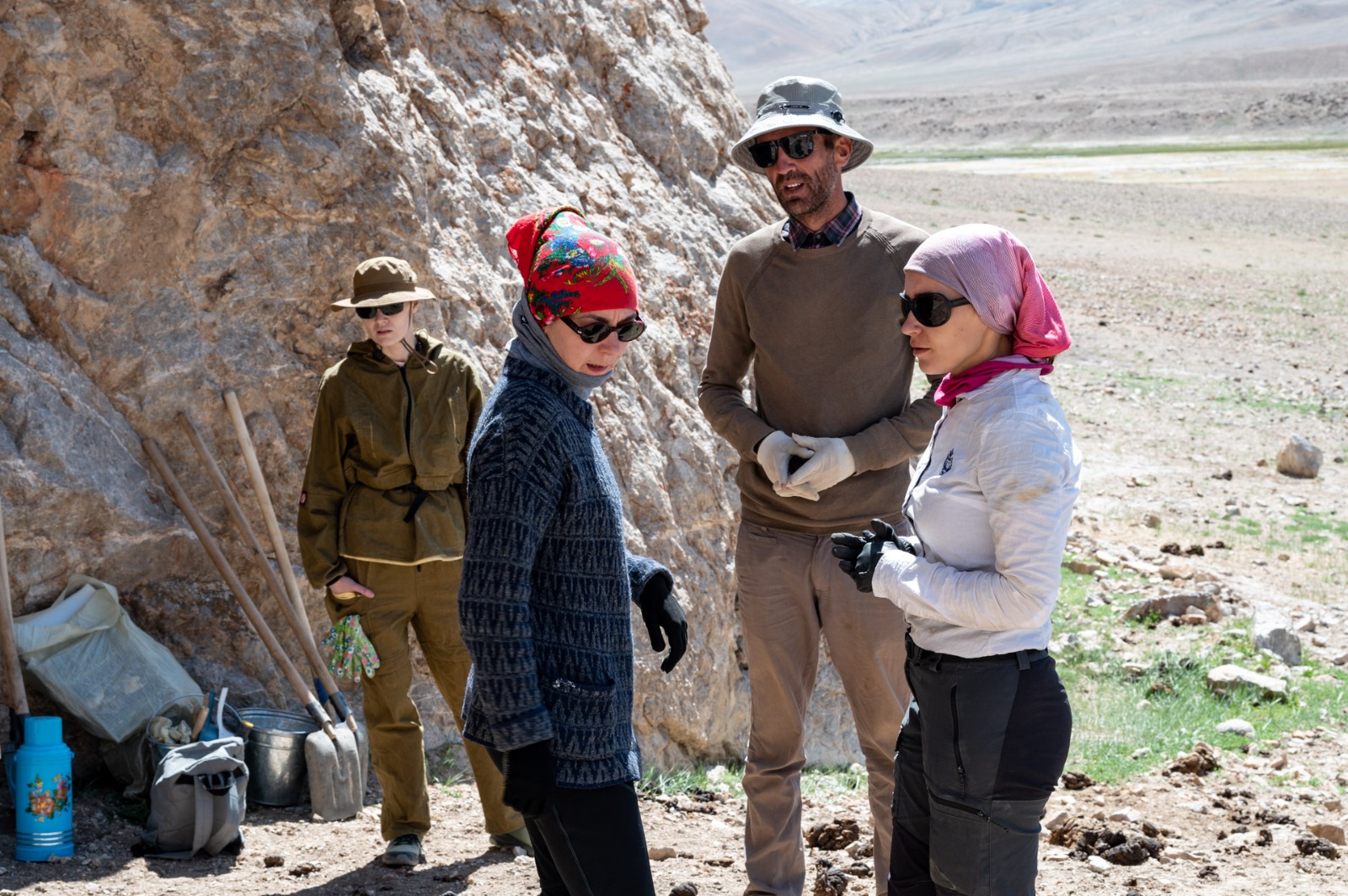
Istykskaya Cave is another important multi-layered site situated at 4,060 meters above sea level on the left bank of the Sulystyk River in the Eastern Pamirs. The site has yielded stone microblades, scrapers, geometric microliths and points, along with animal bones from sheep/goats, likely yak, wild ass, and hares. Artifacts also include bone tools such as needles, pendants, beads, wood fragments, charcoal, and dung. These finds reflect repeated human activity at the site, including carcass processing and the use of natural materials like wood and dung for fuel. Radiocarbon dating confirms human visits to this high-mountain region since the terminal Pleistocene.
Leaded by Dr. Svetlana SHNAIDER and Dr. Nuritdin SAYFULLOEV
Alay Valley
Alai Site
The Alai Site is located in the Alai Valley at an elevation of 2,800 meters above sea level. It is one of the key high-mountain archaeological sites in western Central Asia, offering valuable insight into early human activity in the region.
Fieldwork carried out by our team in 2017–2018 revealed that the site was occupied around 12,000 years ago, during the transition from the Pleistocene to the Holocene. Archaeological evidence suggests that local communities engaged in hunting wild equids, particularly the Asian wild ass (Equus hemionus), as part of their subsistence strategy.
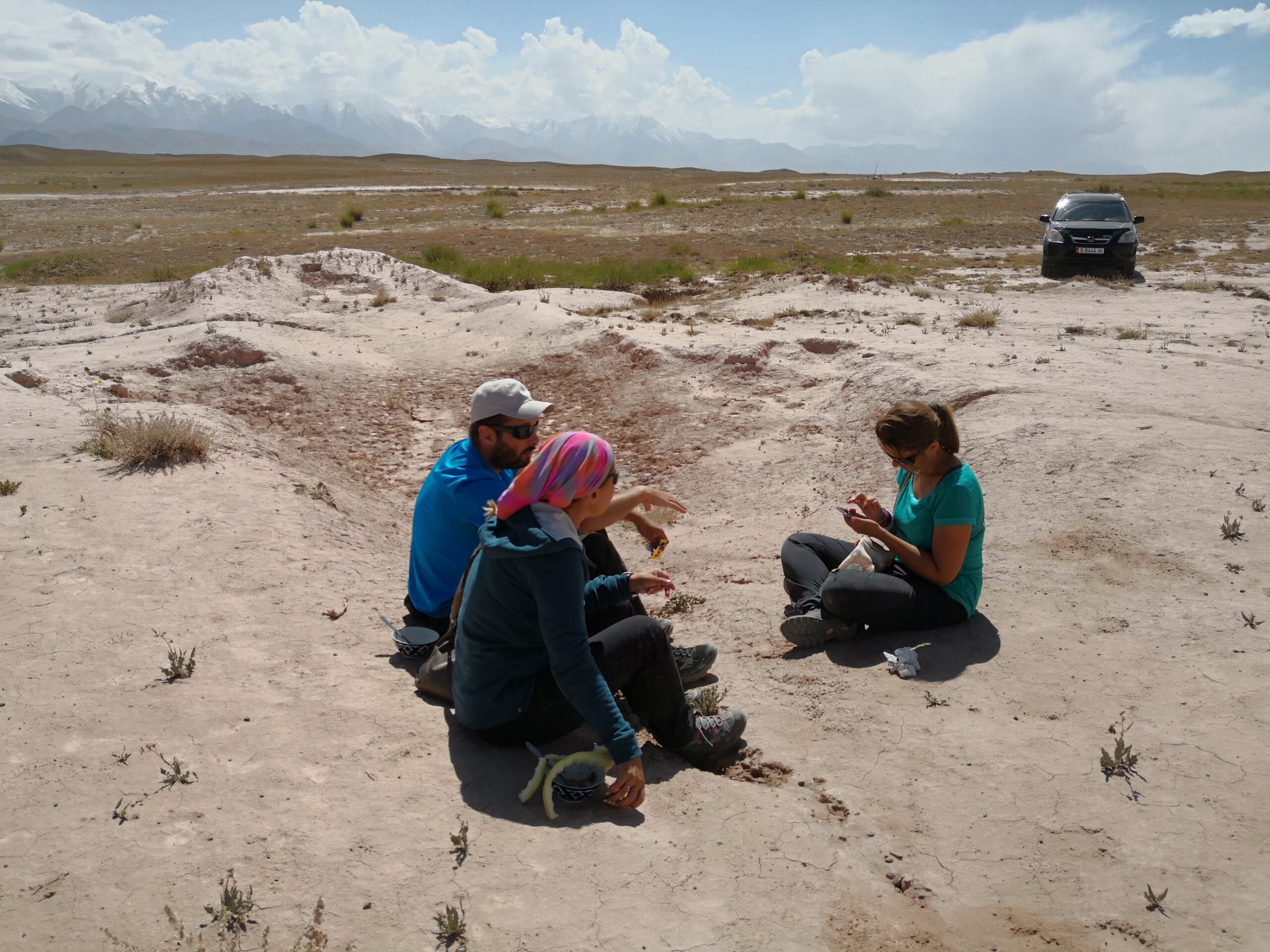
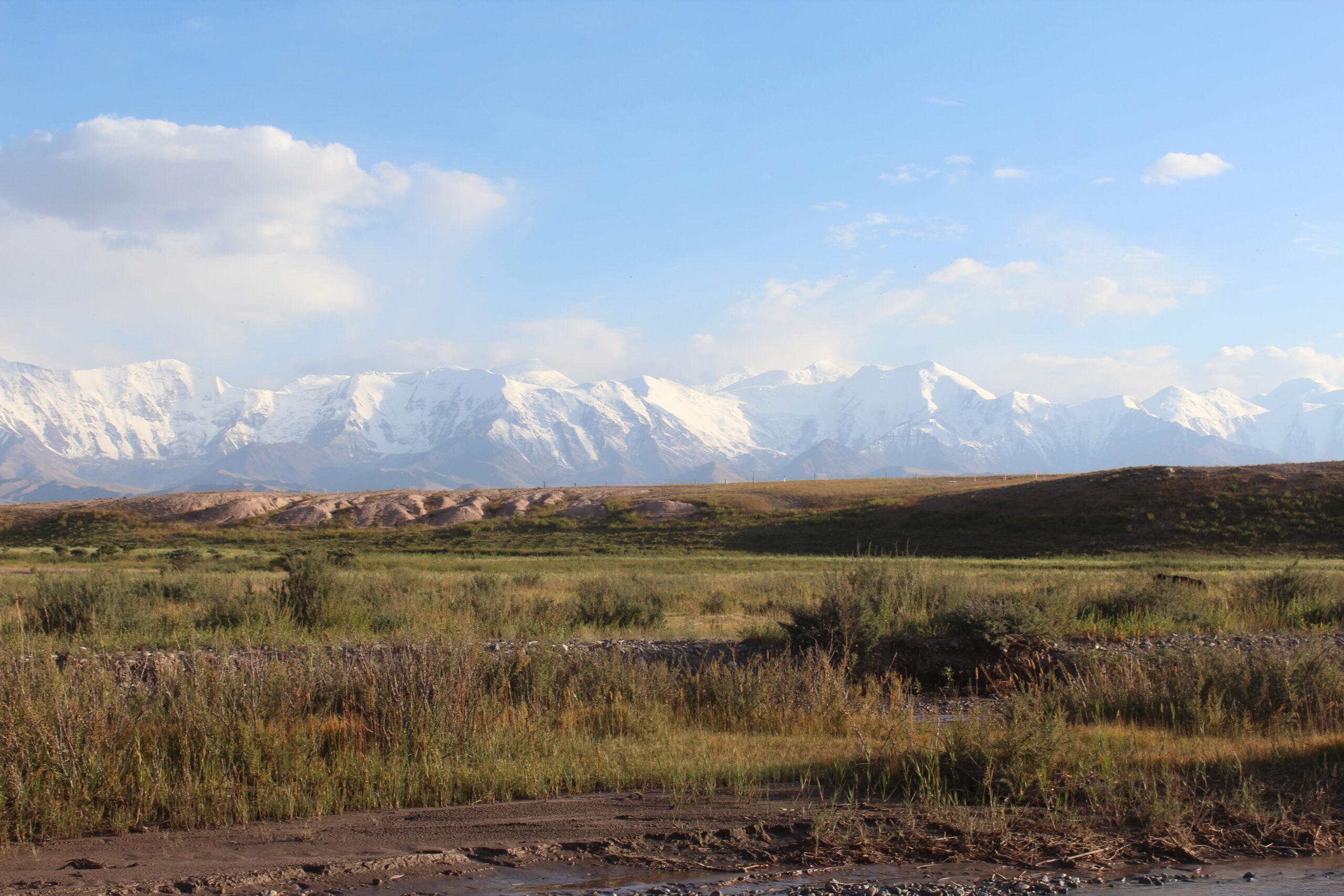
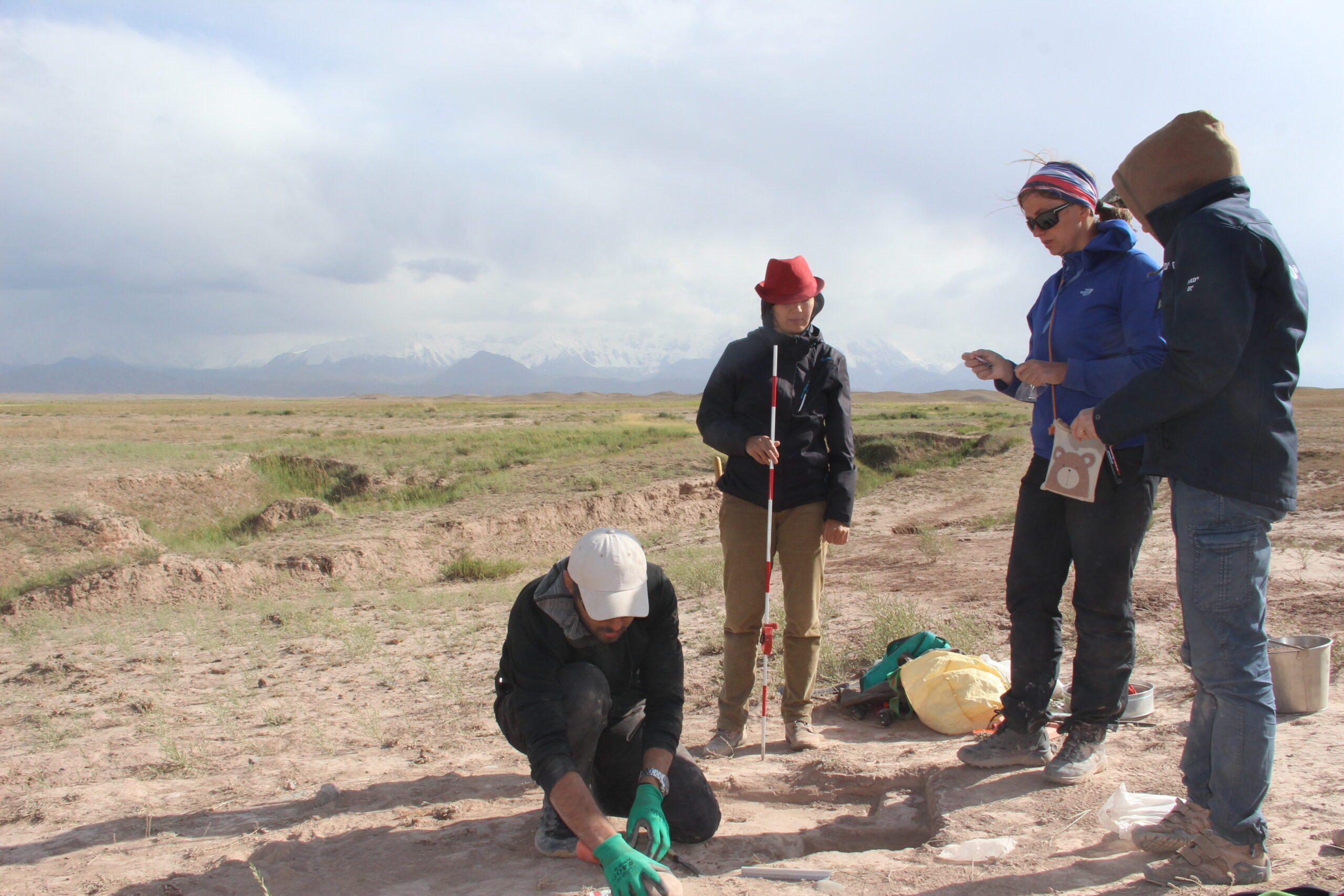
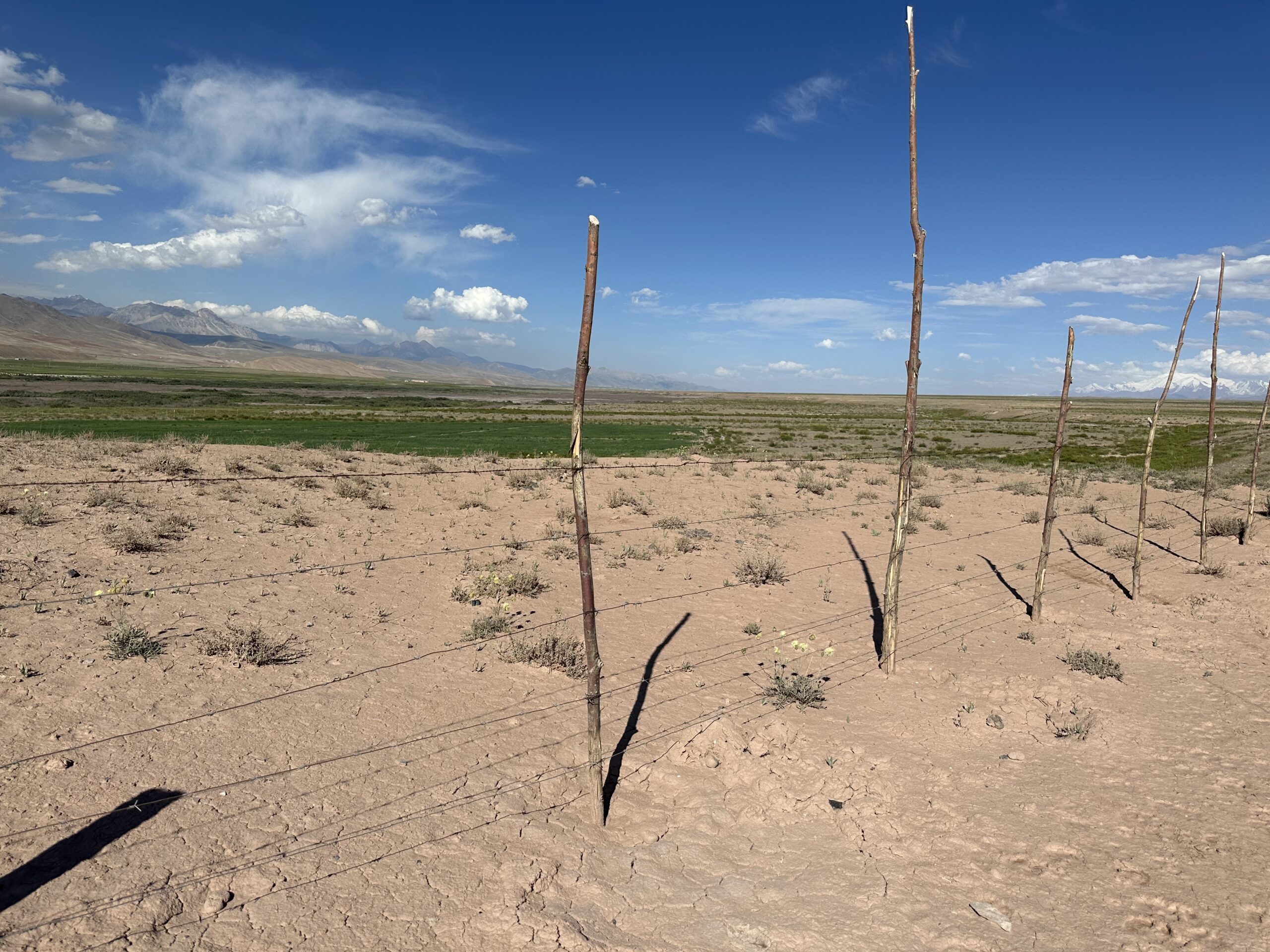
Survey and excavation at the Alai Site, southern Kyrgyzstan.
The lithic assemblage uncovered at the Alai Site shares technological similarities with Final Pleistocene bladelet industries found across the highlands of Central Asia, highlighting cultural connections across distant mountain environments.
The work at the site leaded by Dr. Svetlana SHNAIDER and Dr. Temirlan CHARGYNOV.
Fergana Valley
Obishir-5 Archaeological Site
Obishir-5 is an important archaeological site located in the Fergana Valley of southern Kyrgyzstan. It was first discovered and excavated in the 1960s–1970s by Soviet archaeologist U. Islamov.
In 2015, new investigations at the site began as part of a collaborative expedition led by the Institute of Archaeology and Ethnography of the Siberian Branch of the Russian Academy of Sciences (Novosibirsk, Russia) and the American University of Central Asia (Bishkek, Kyrgyzstan). This renewed research phase utilized a wide range of modern archaeological and bioarchaeological methods.
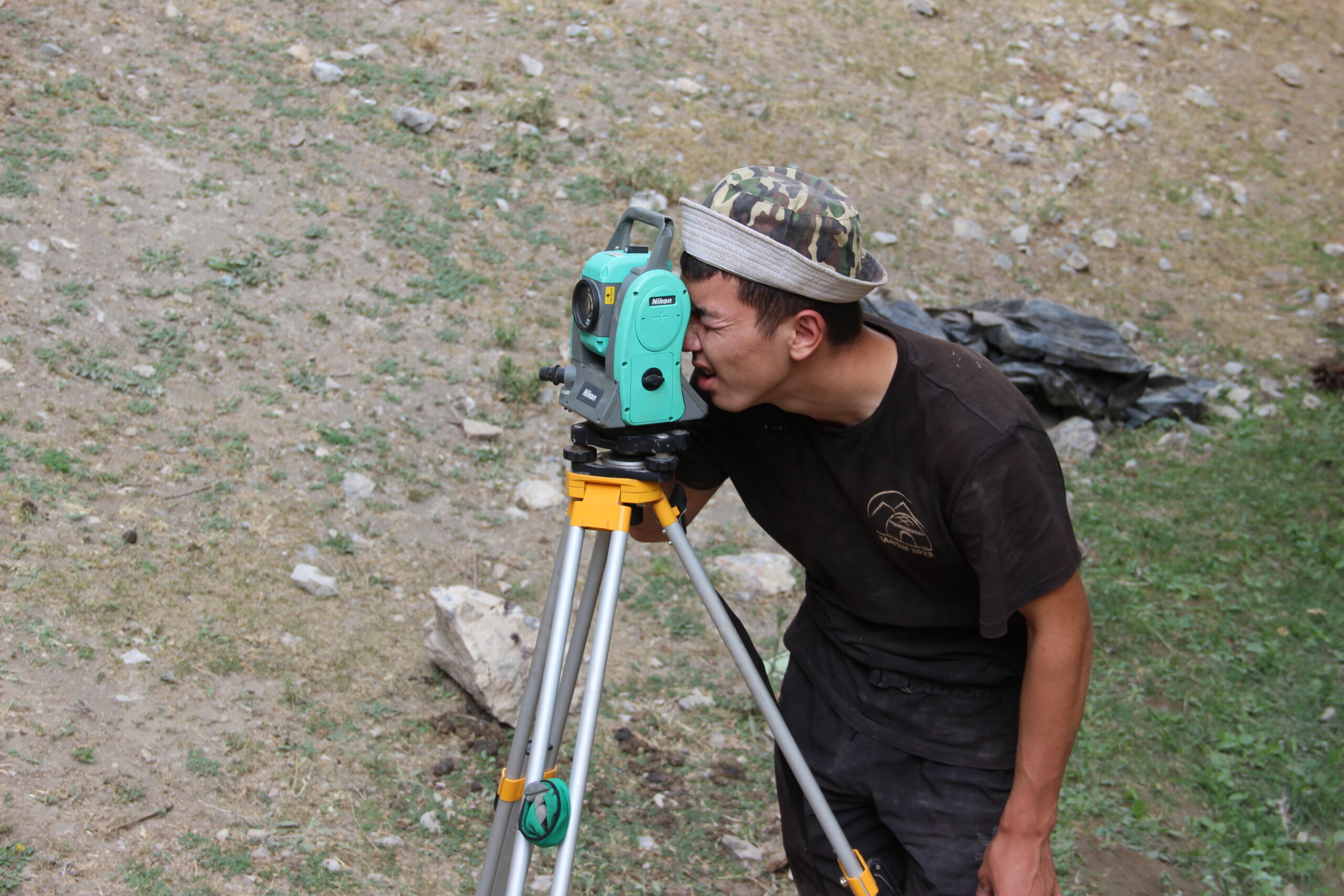
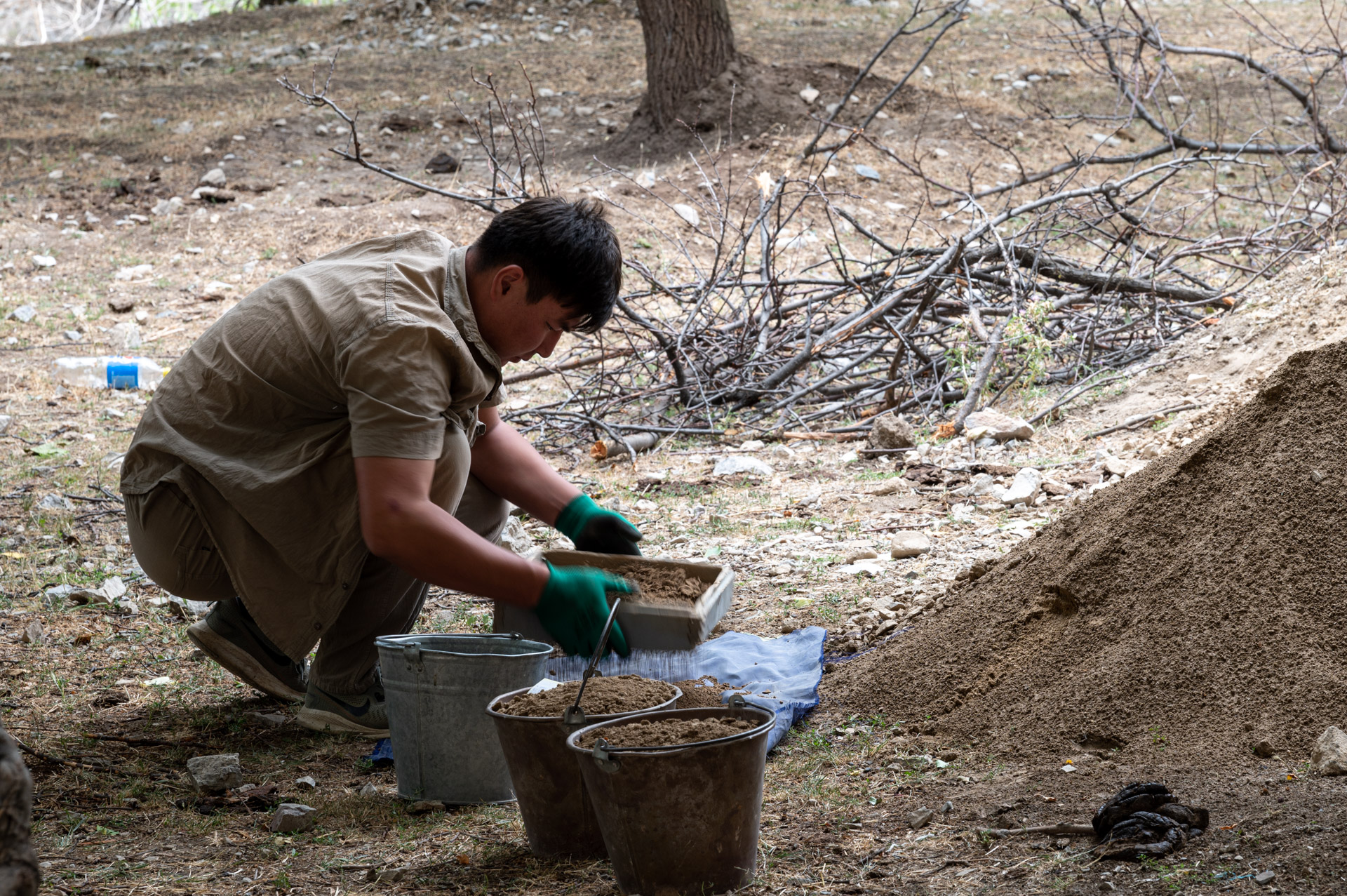
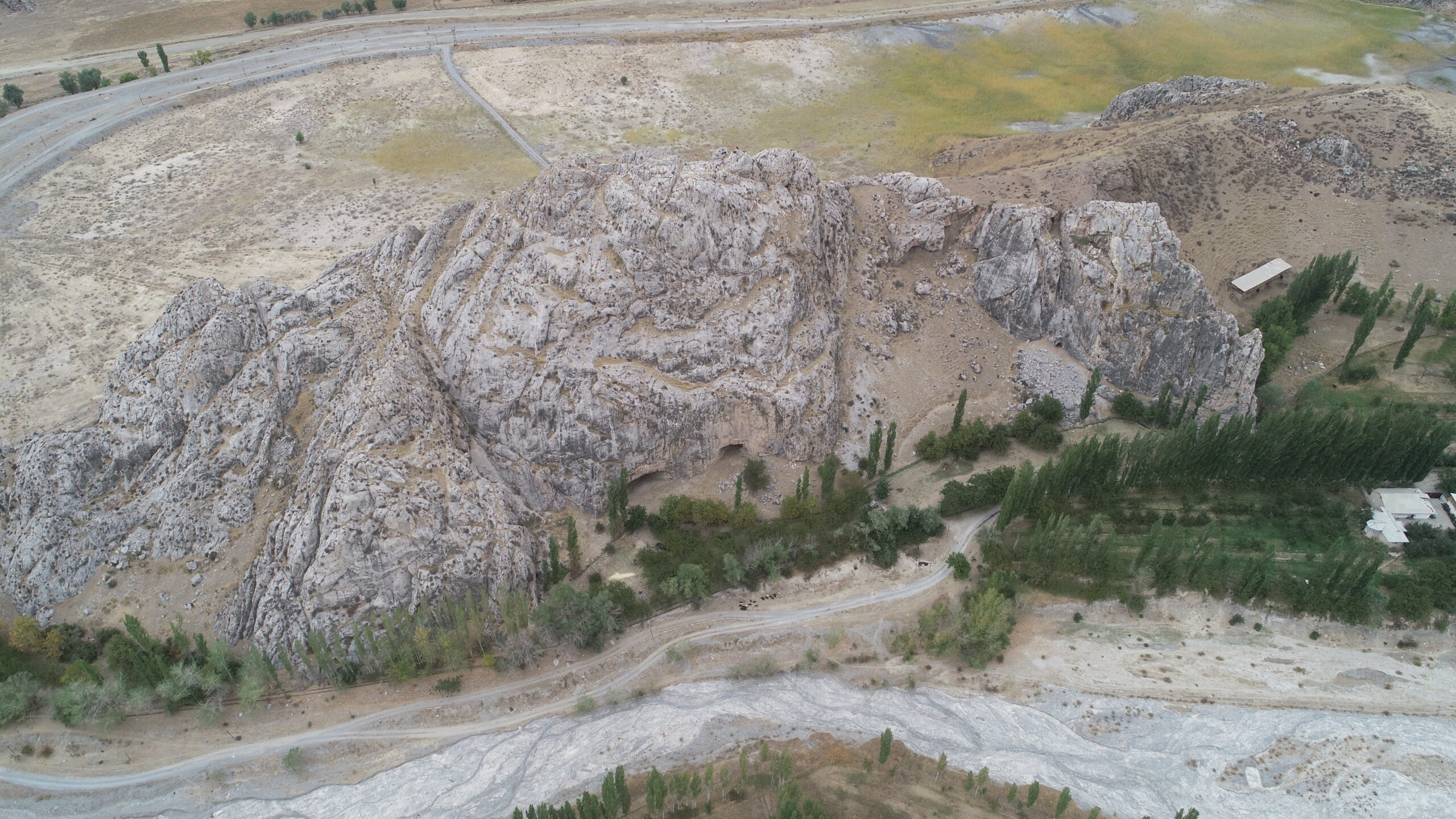
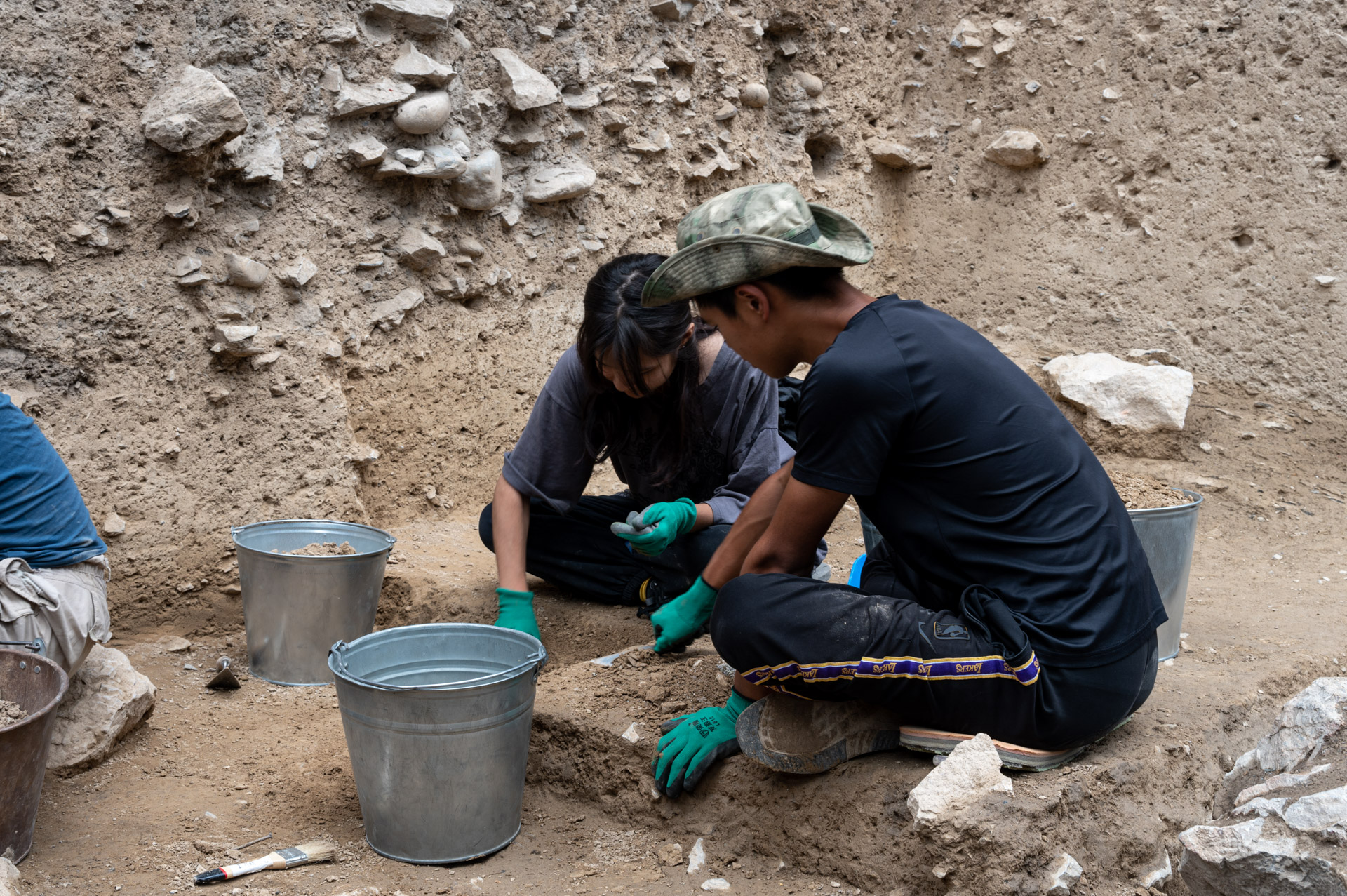
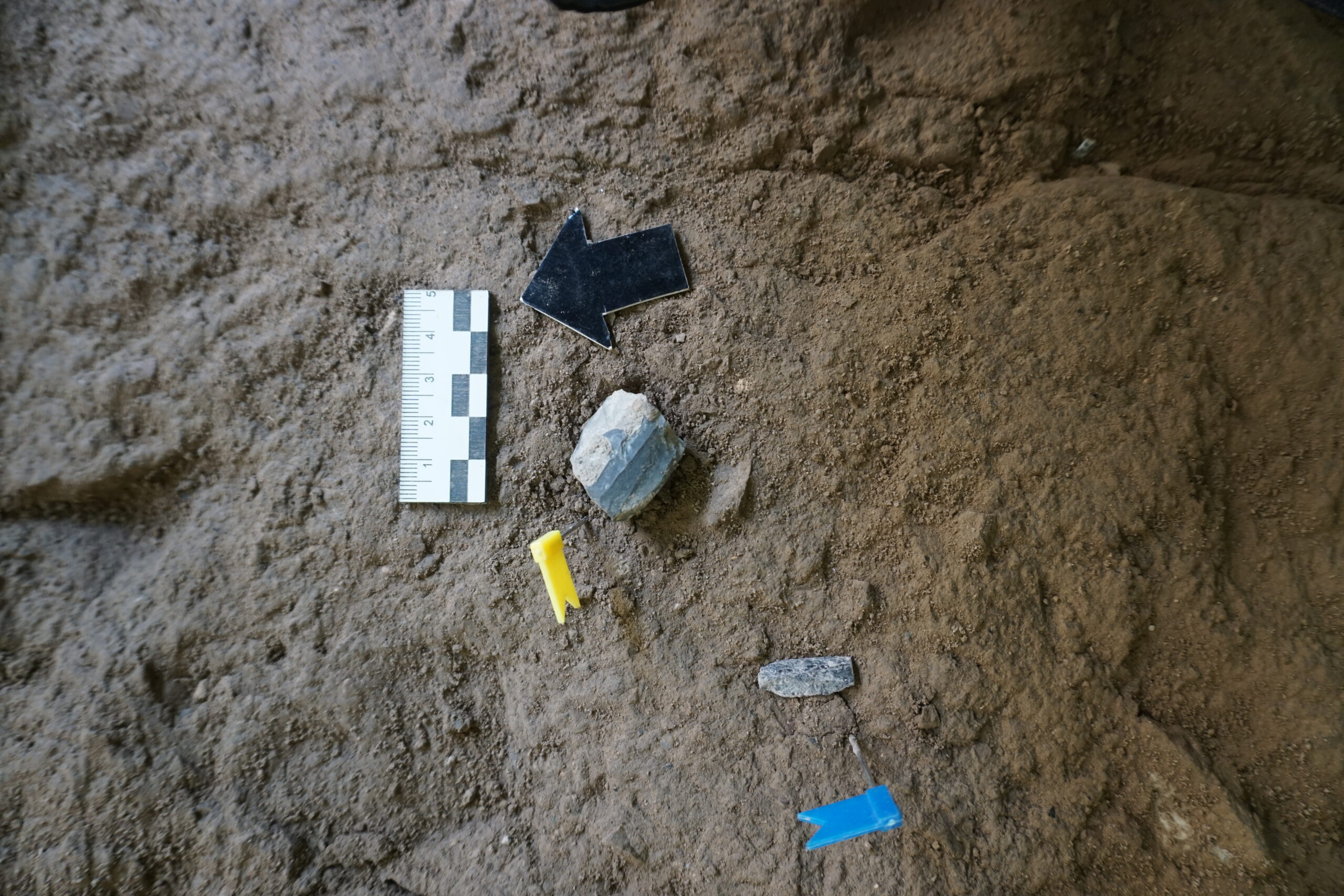
Survey and excavation at the Fergana Valley, southern Kyrgyzstan.
As a result, a rich assemblage of artifacts was uncovered, including stone and bone tools, personal ornaments, and a diverse collection of faunal remains. Bioarchaeological analyses of these materials revealed some of the earliest evidence for pastoralism in the mountainous regions of Central Asia.
Surungur Archaeological Site
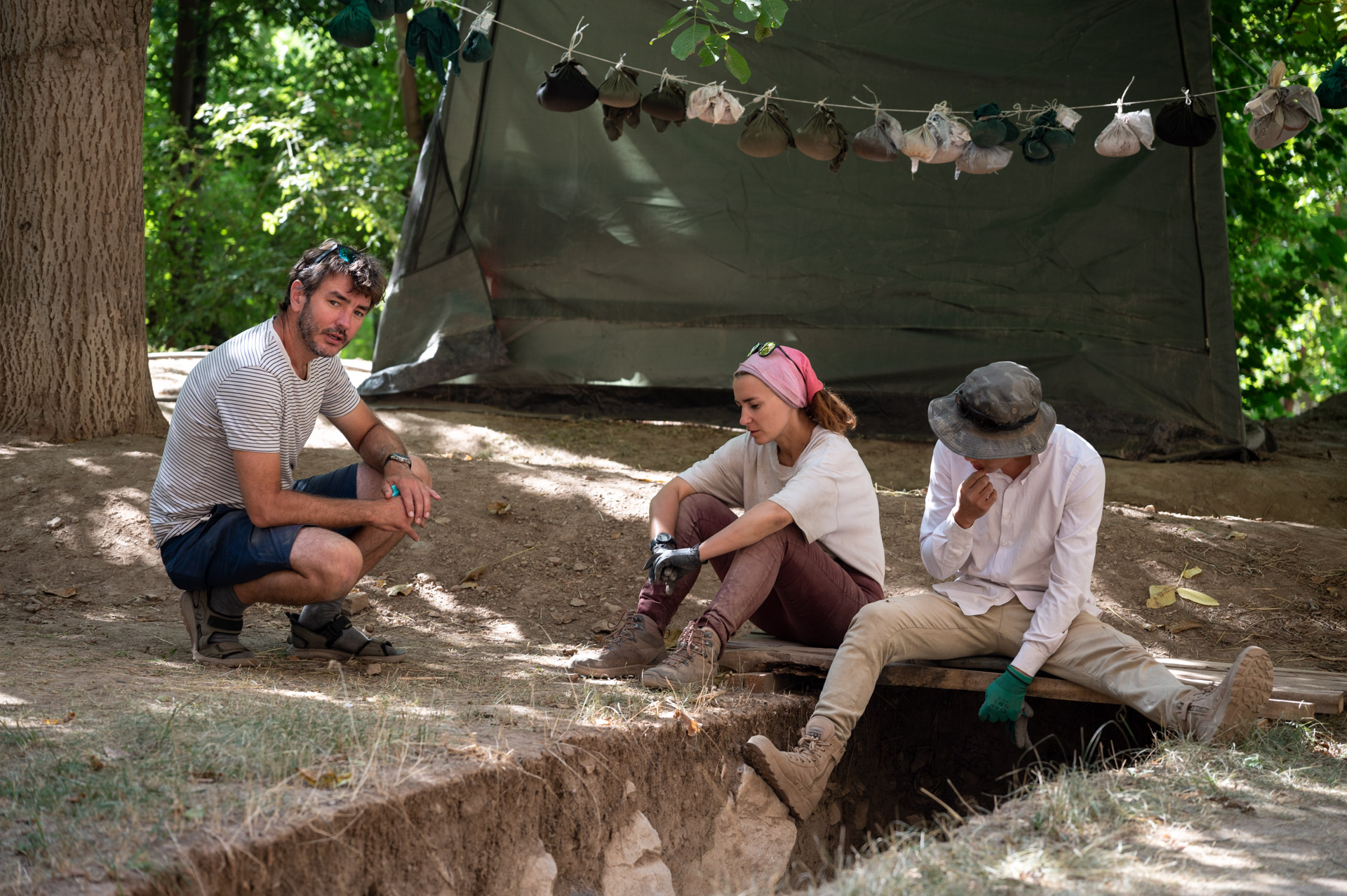
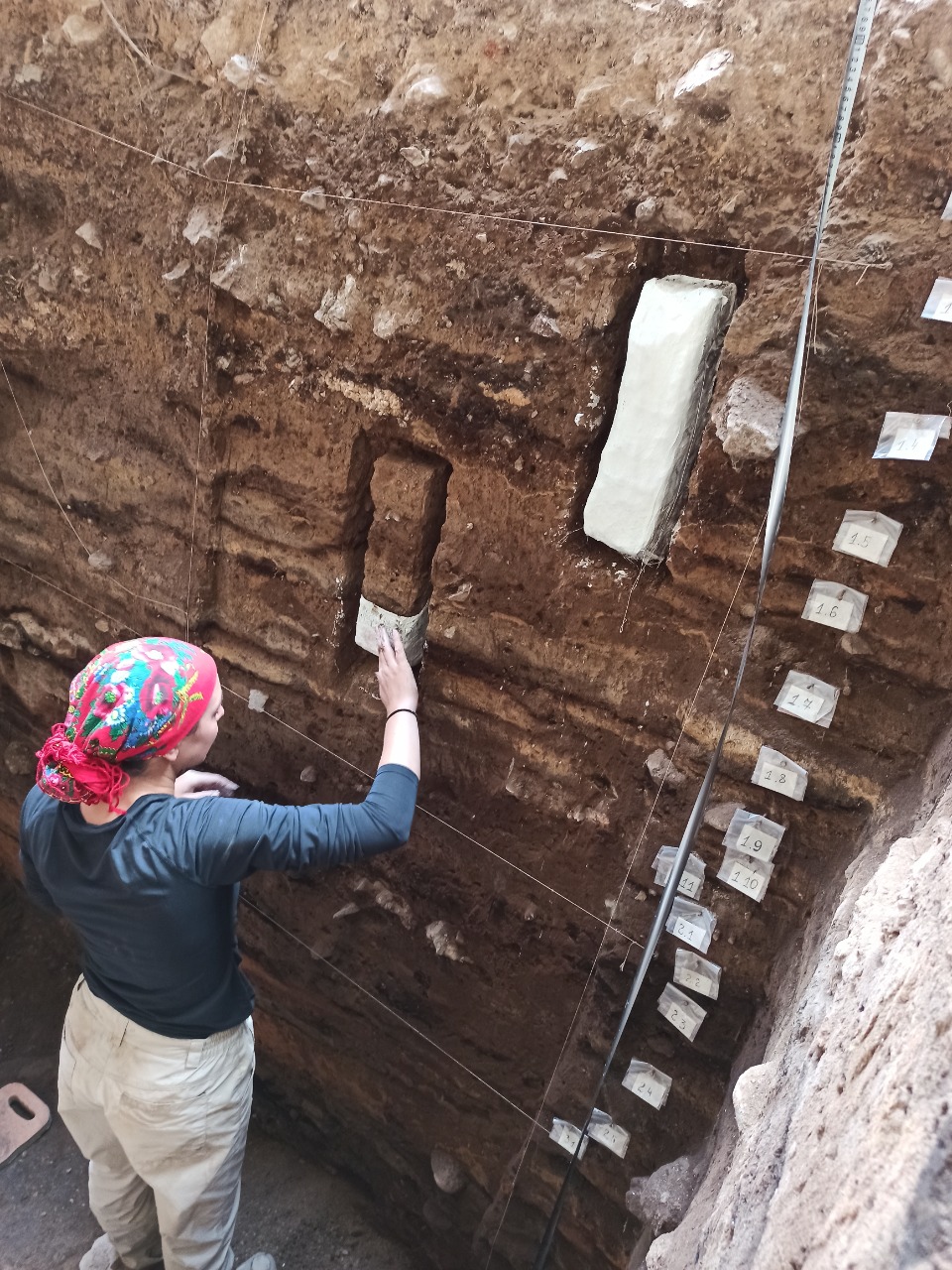
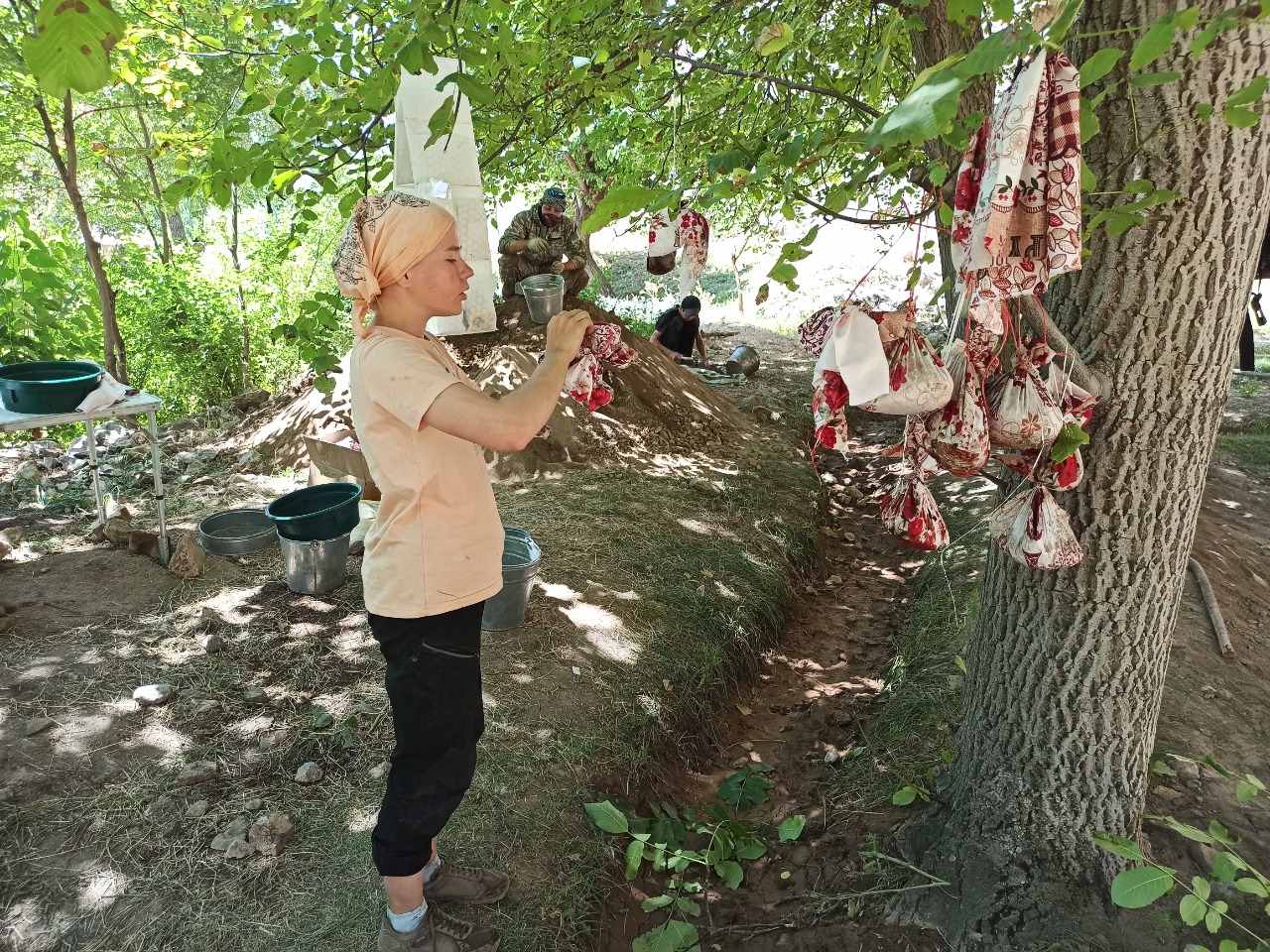
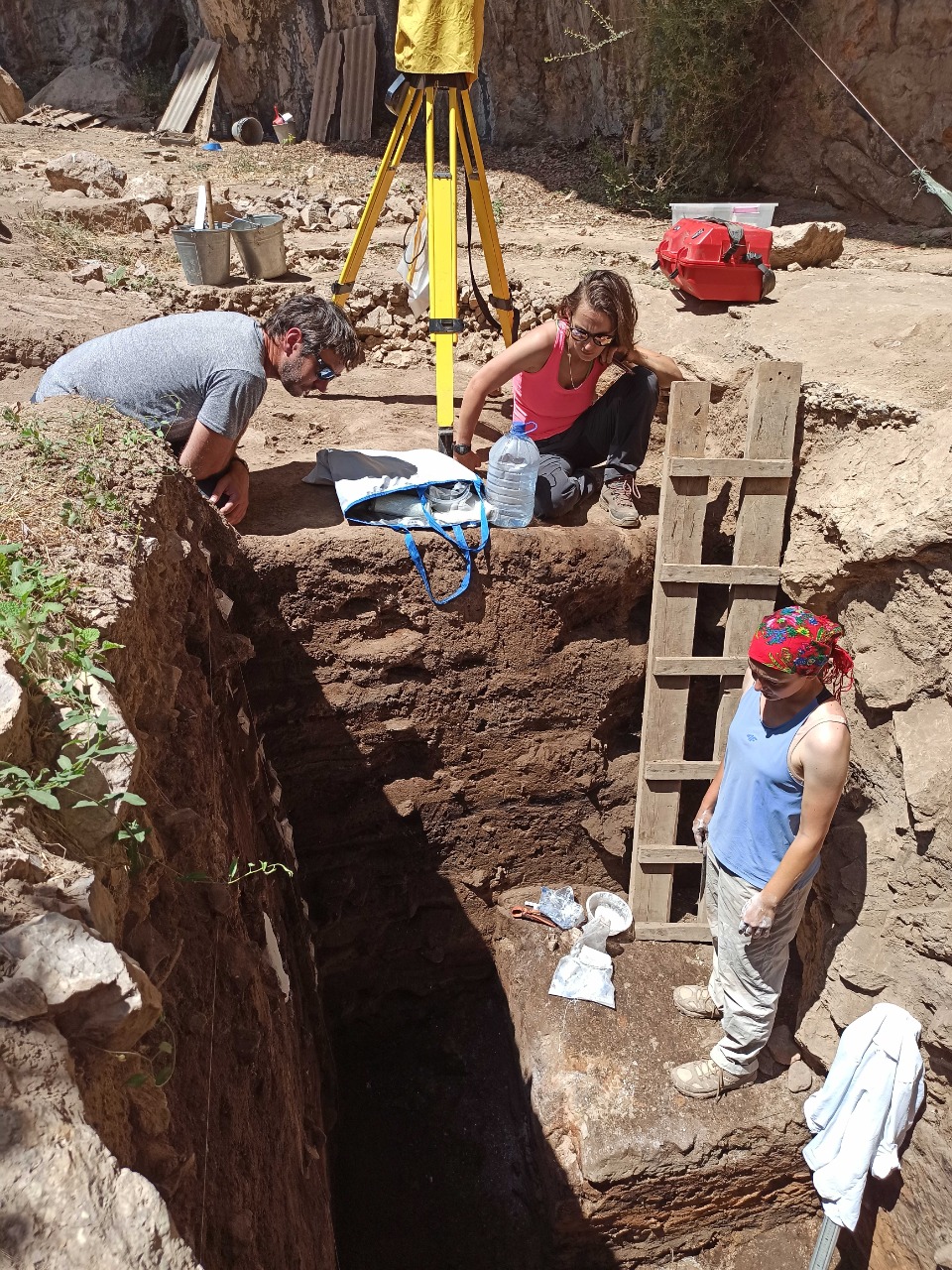
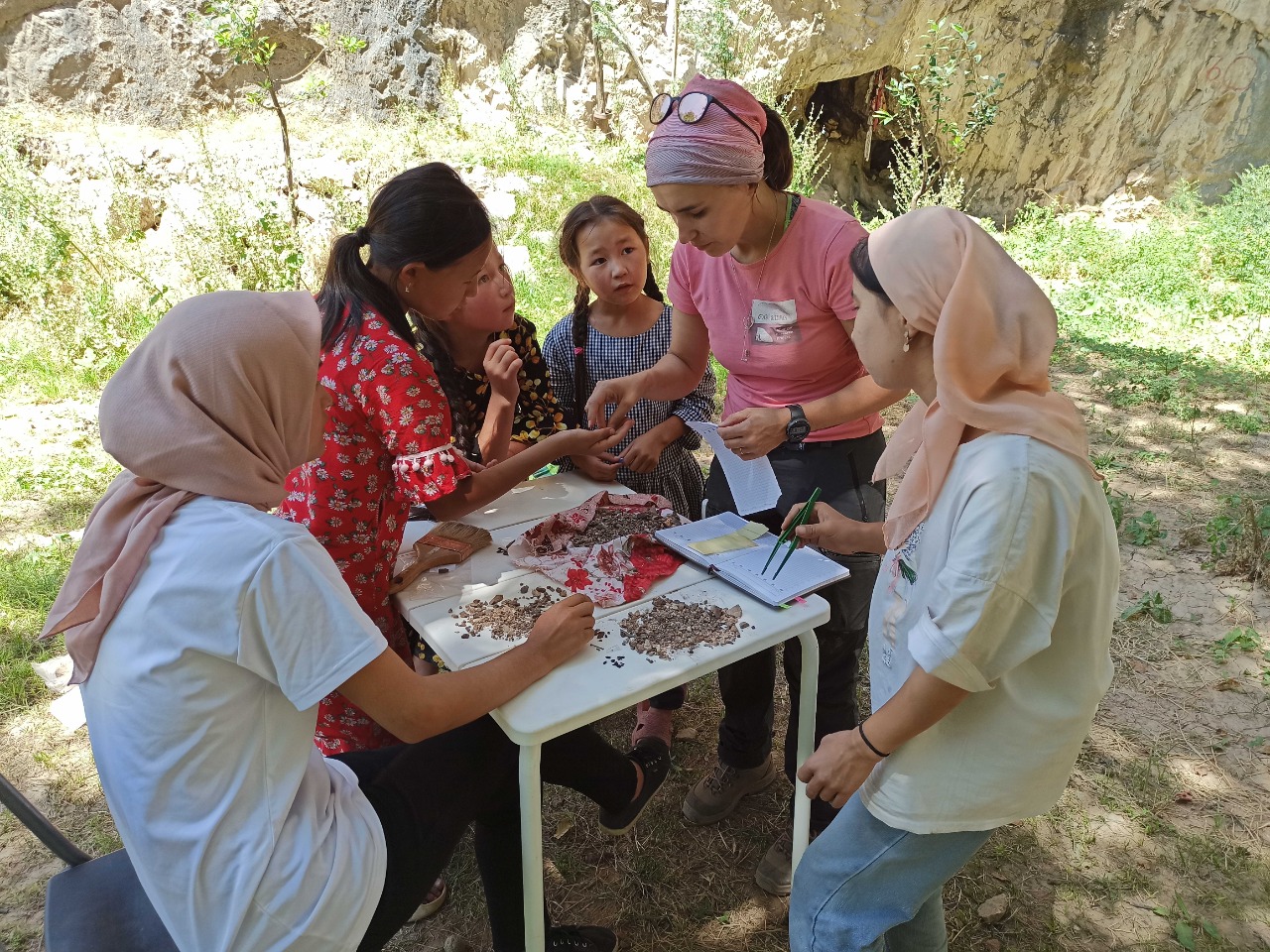
Survey and excavation at the Surungur Site, southern Kyrgyzstan.
Located in the Fergana Valley, Surungur is one of the most significant Neolithic sites in Central Asia. Since 2017, it has been the focus of joint research by specialists from the Institute of Archaeology and Ethnography of the Siberian Branch of the Russian Academy of Sciences (Novosibirsk, Russia) and Kyrgyz National University named after J. Balasagyn (Bishkek, Kyrgyzstan).
The site is notable for its exceptionally well-preserved stratigraphy, with a continuous sequence of cultural layers dating from the Neolithic period (around 8,000 years ago) through to the Bronze Age (approximately 3,300 years ago). Excavations have revealed structural remains, hearths, stone and bone tools, personal ornaments, and a rich collection of animal bones.
Modern archaeological methods are being applied at Surungur to achieve a high-resolution understanding of how Neolithization unfolded in this region, offering unique insights into the development of early human societies in Central Asia.
South Tian Shan
South Tian Shan
The South Tian Shan region hosts several Palaeolithic and Holocene sites currently under investigation by ZooStan. The area is characterised by diverse ecological zones from valley floors to alpine meadows, reflected in the rich and varied faunal assemblages recovered.
Research in this region aims to reconstruct altitudinal mobility patterns of both humans and their prey species across the late Pleistocene and early Holocene, connecting the ecological dynamics of the Tian Shan mountains with the broader Central Asian archaeological record.
Survey and excavation in the South Tian Shan region.