Cementochronology
Cementum Analysis in Zooarchaeology
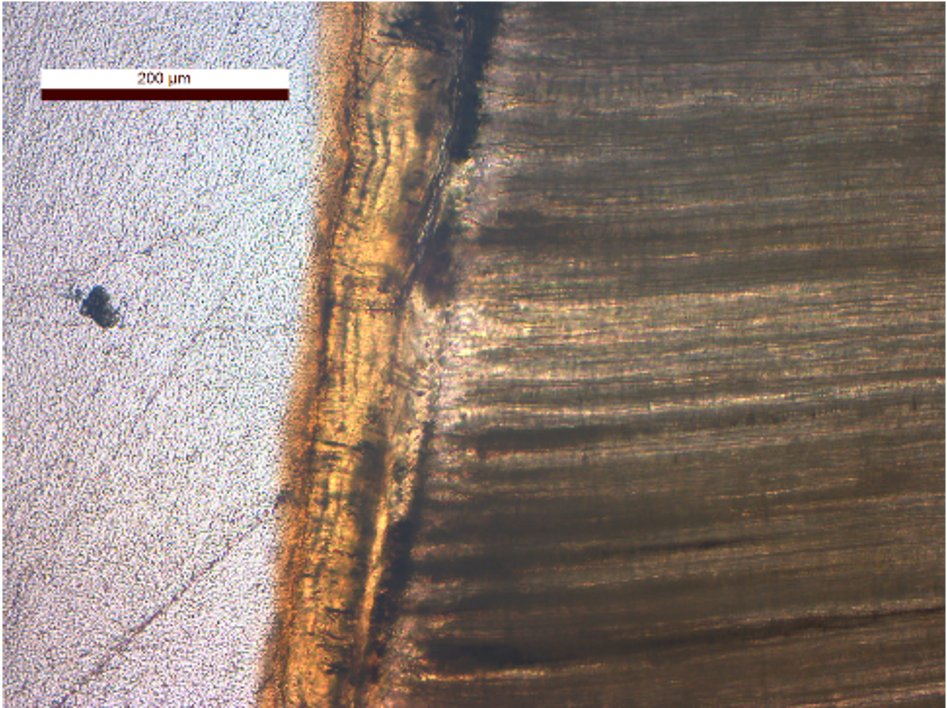
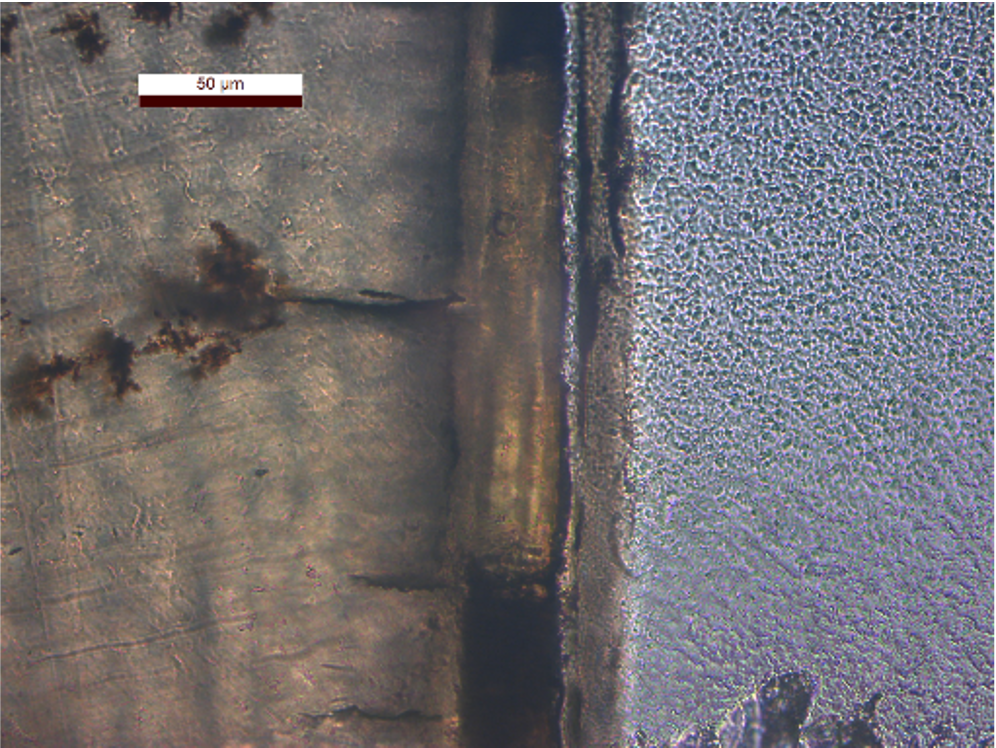
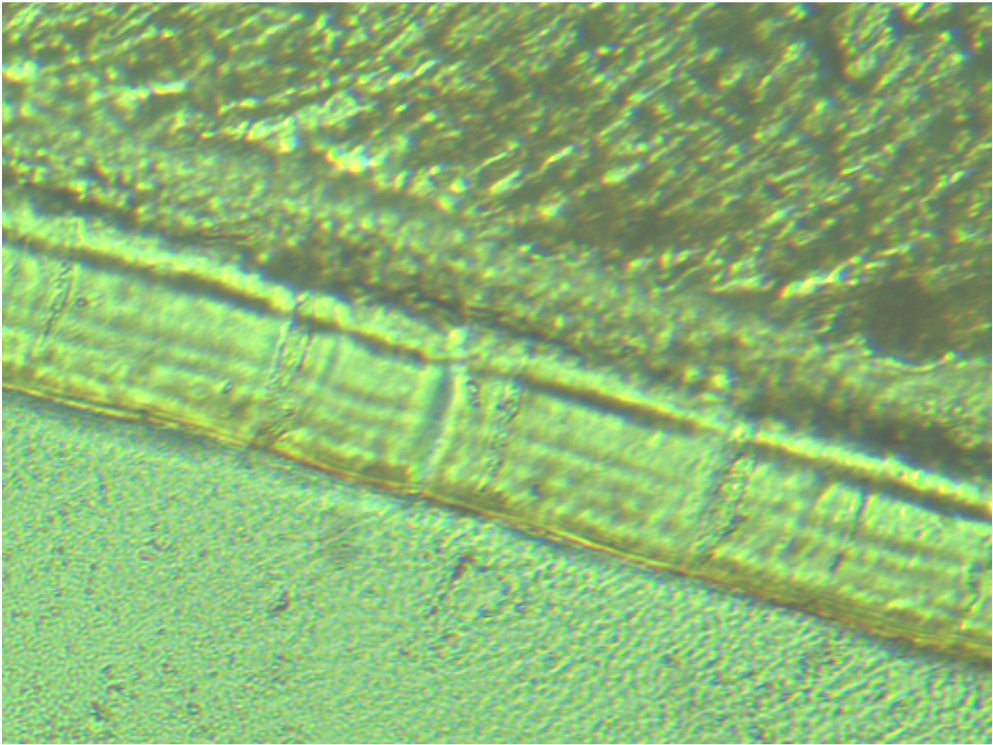
Cementum growth follows predictable seasonal cycles with an alternation of fast and slow rate deposits during respectively growth and non-growth seasons (e.g. Klevezal and Kleinenberg 1969, Klevezal 1996). The outermost increment, forming at the time of death, is expected to give reliable estimation of the season at death (Naji et al. 2015). Cementum increment analysis is largely used in zooarchaeology to discuss age and season of death of prey (Gourichon 2004, Rendu 2010).
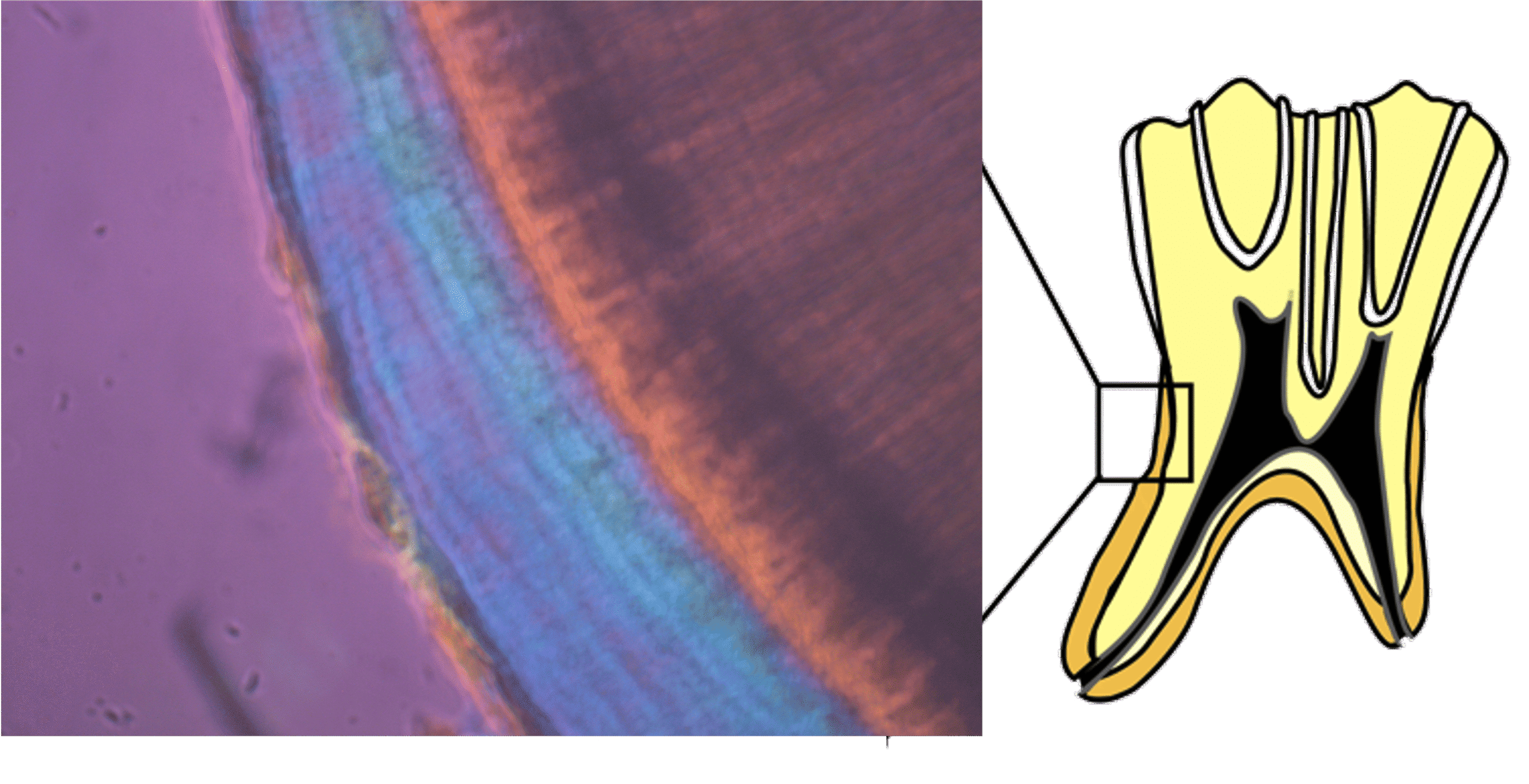
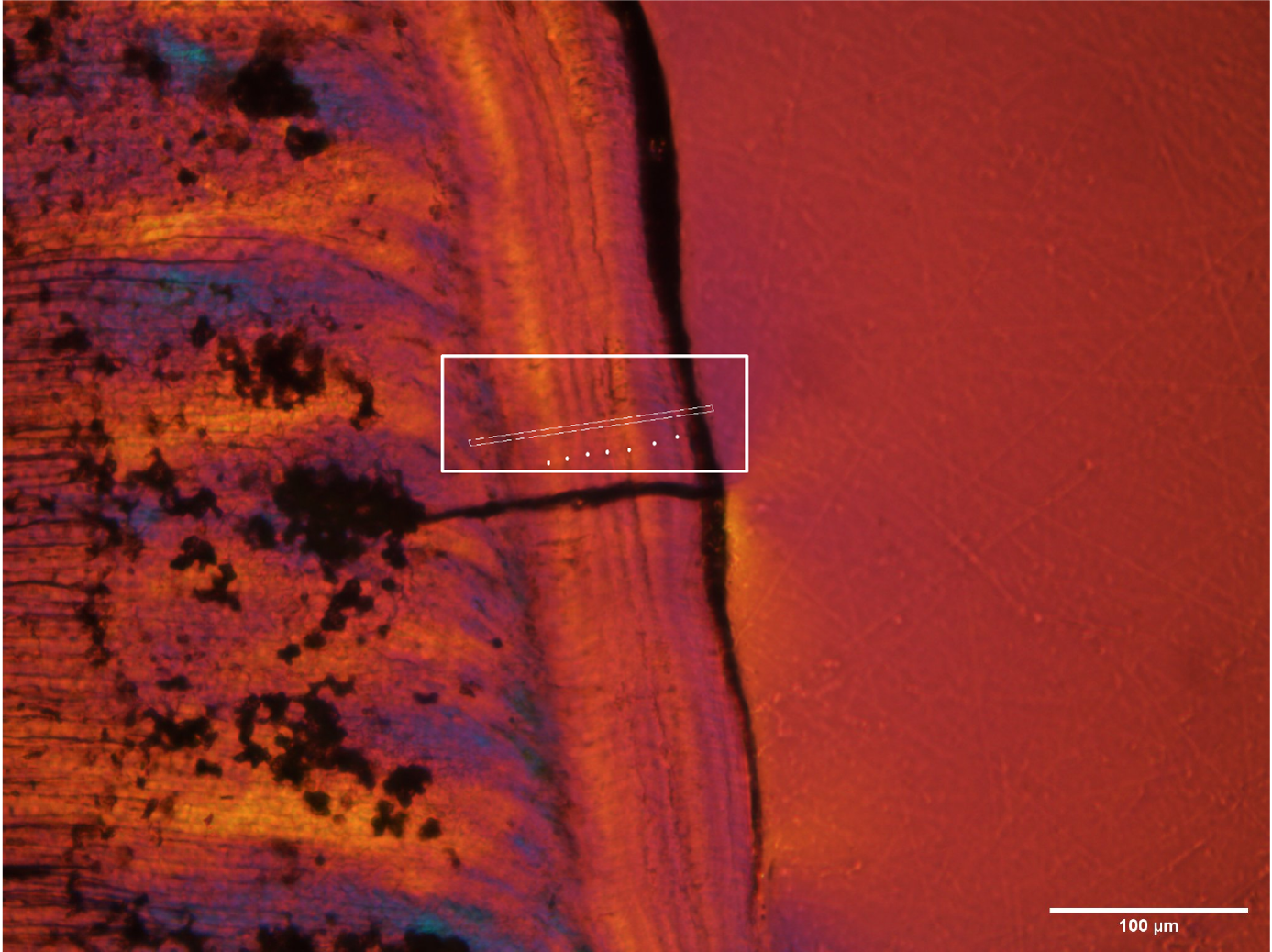
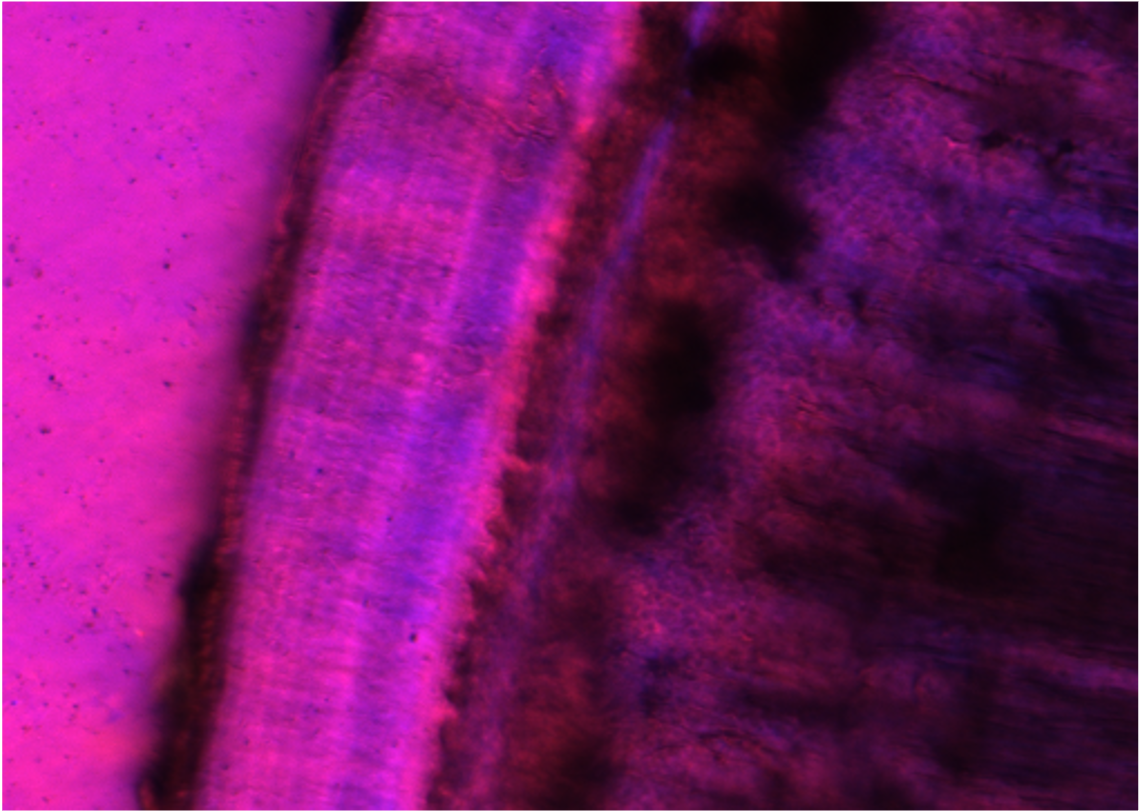
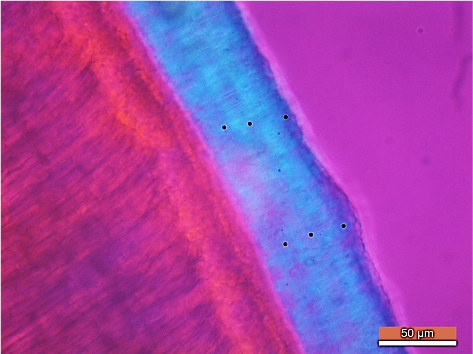
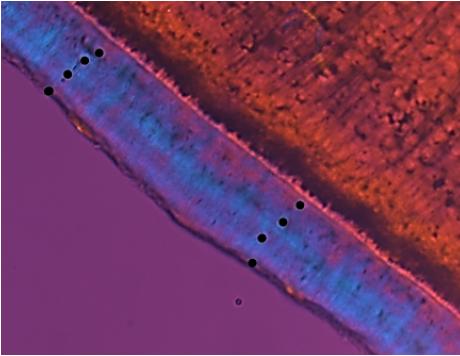
Observation after the realisation of a thin section

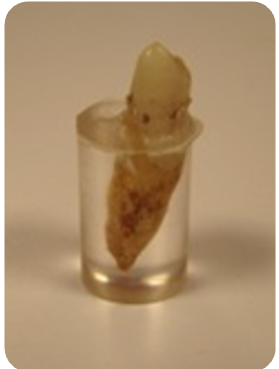


The ROI Selection Criteria:
1. Observation within the Acellular Cementum with Extrinsic Fibers (ACEF):
2. Good visibility of the biological structure (Tomes Granular Layers, Hyaline line);
3. Continuity of the increments on the whole ROI;
4. Same thickness for all increments;
5. ROI should be twice as large than thick;
6. Edges of cementum should be equidistant.

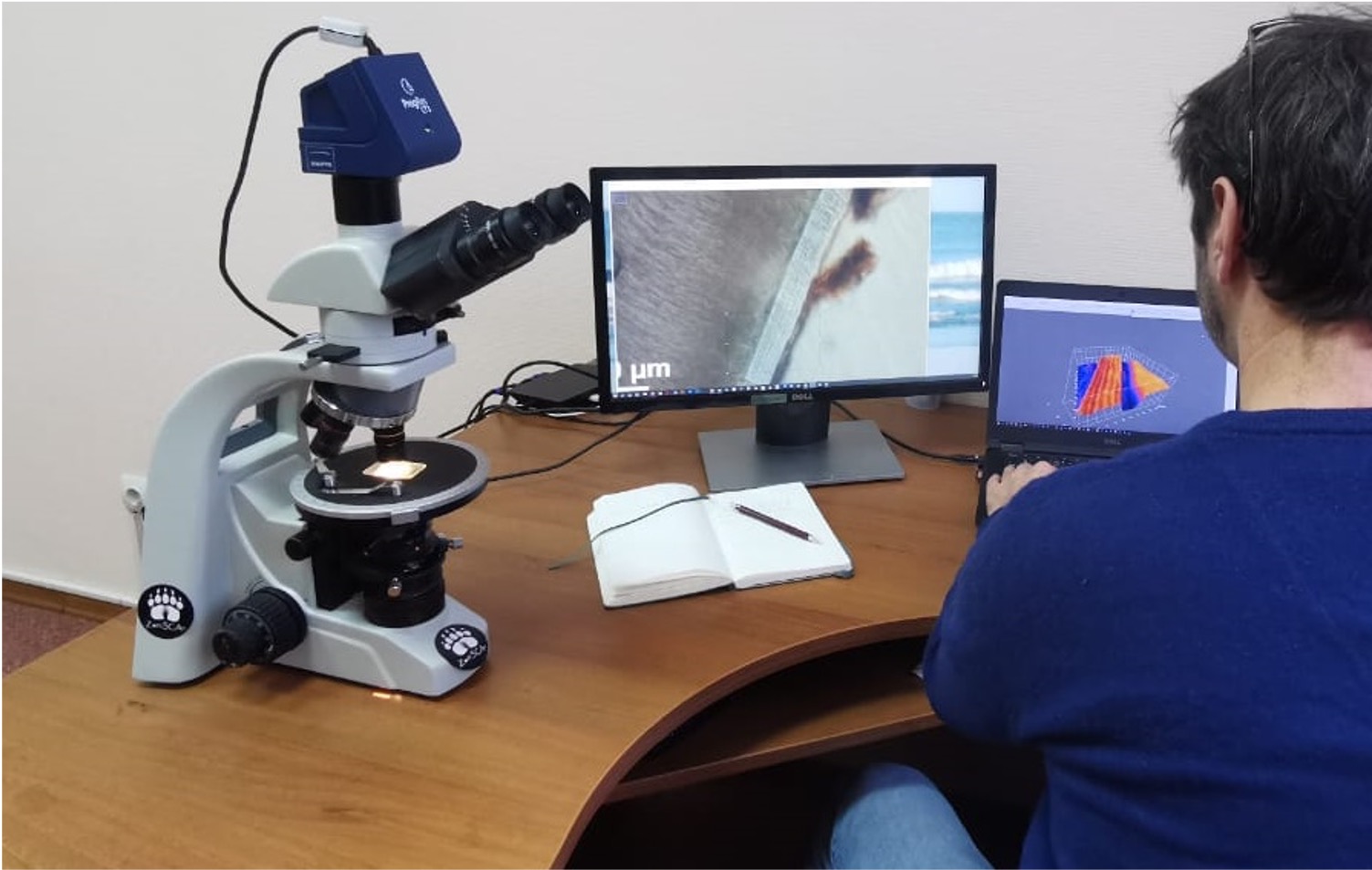
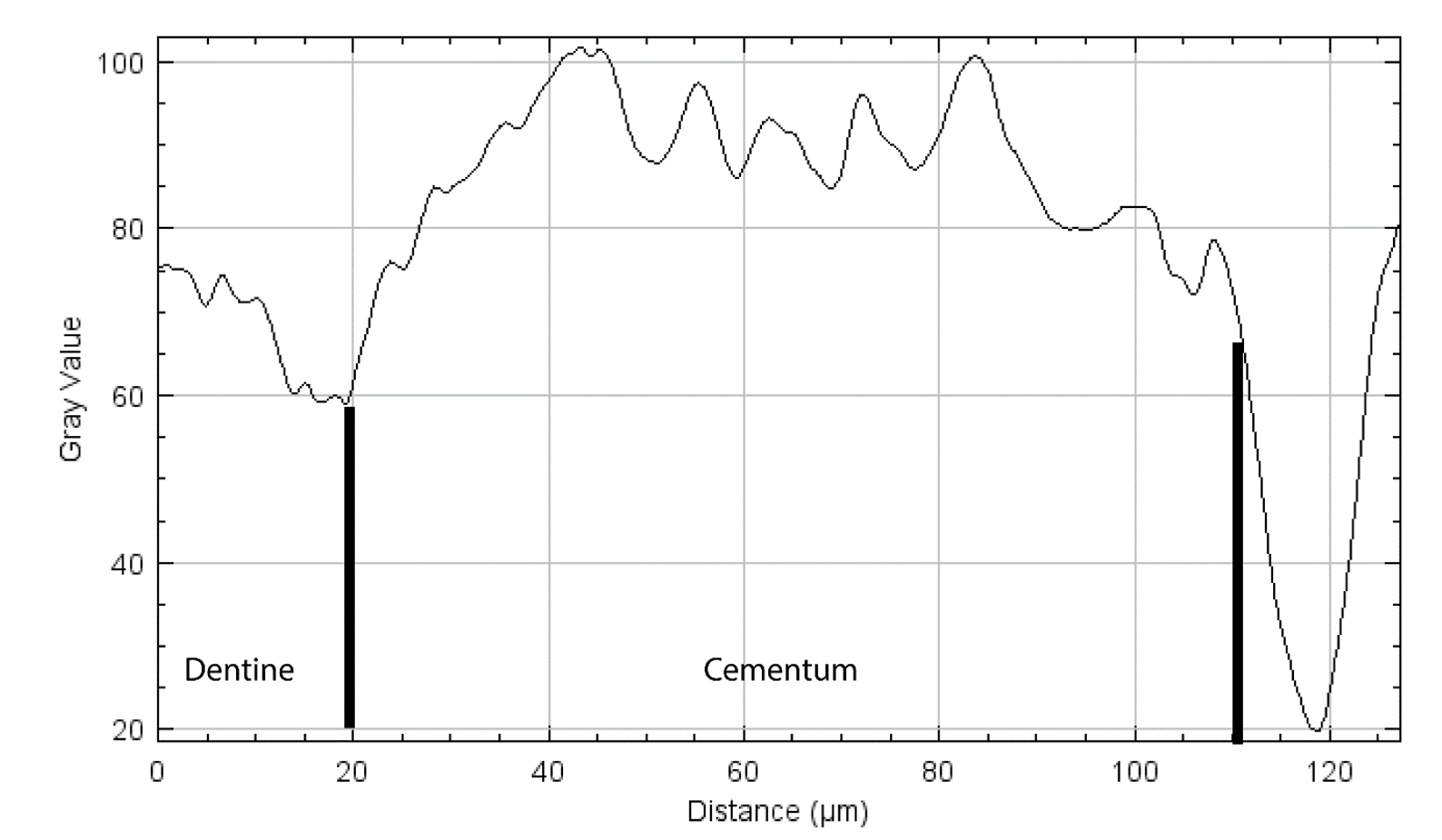
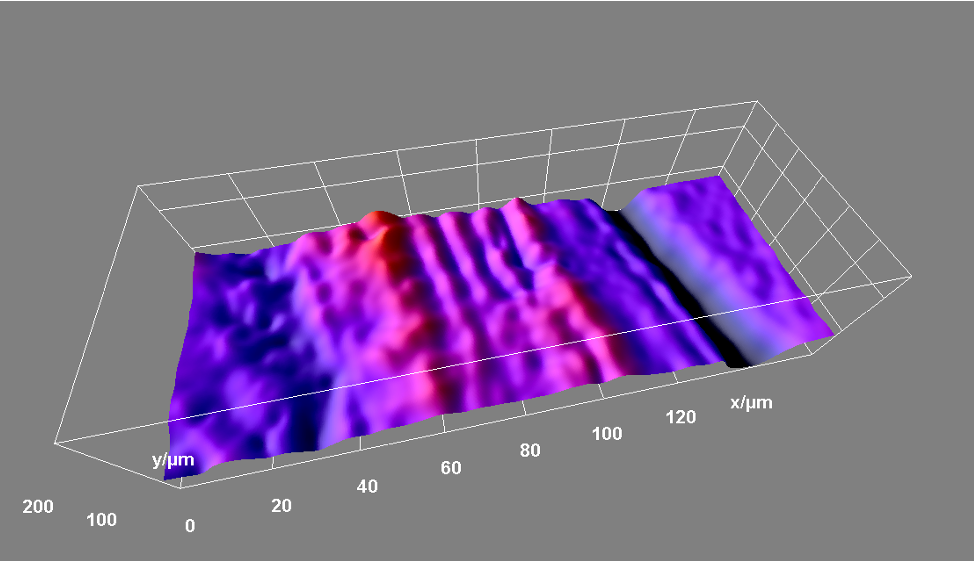
Computer analyses
Examples of Archaeological Application
Selection of the prey (Pech de l’Azé I)
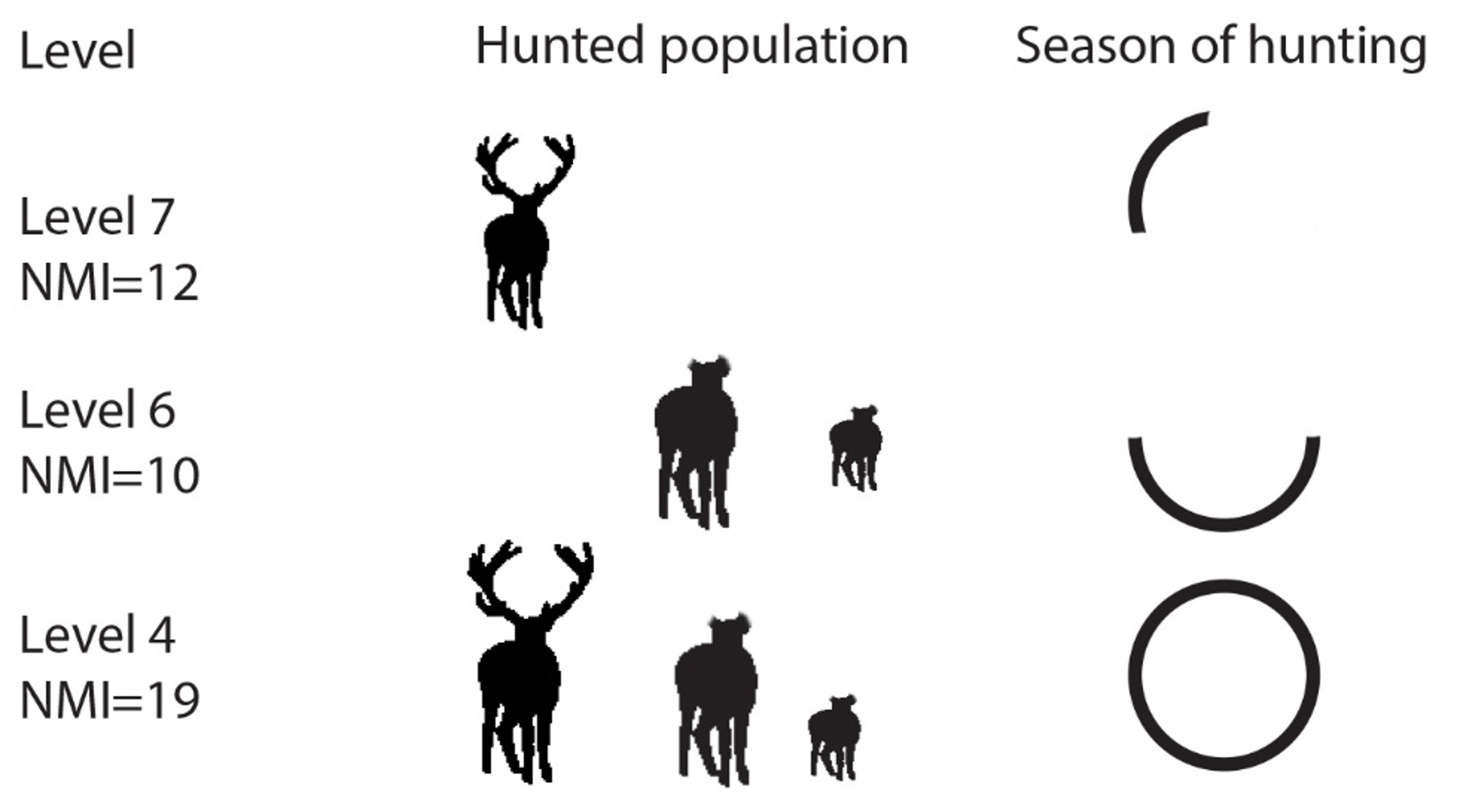
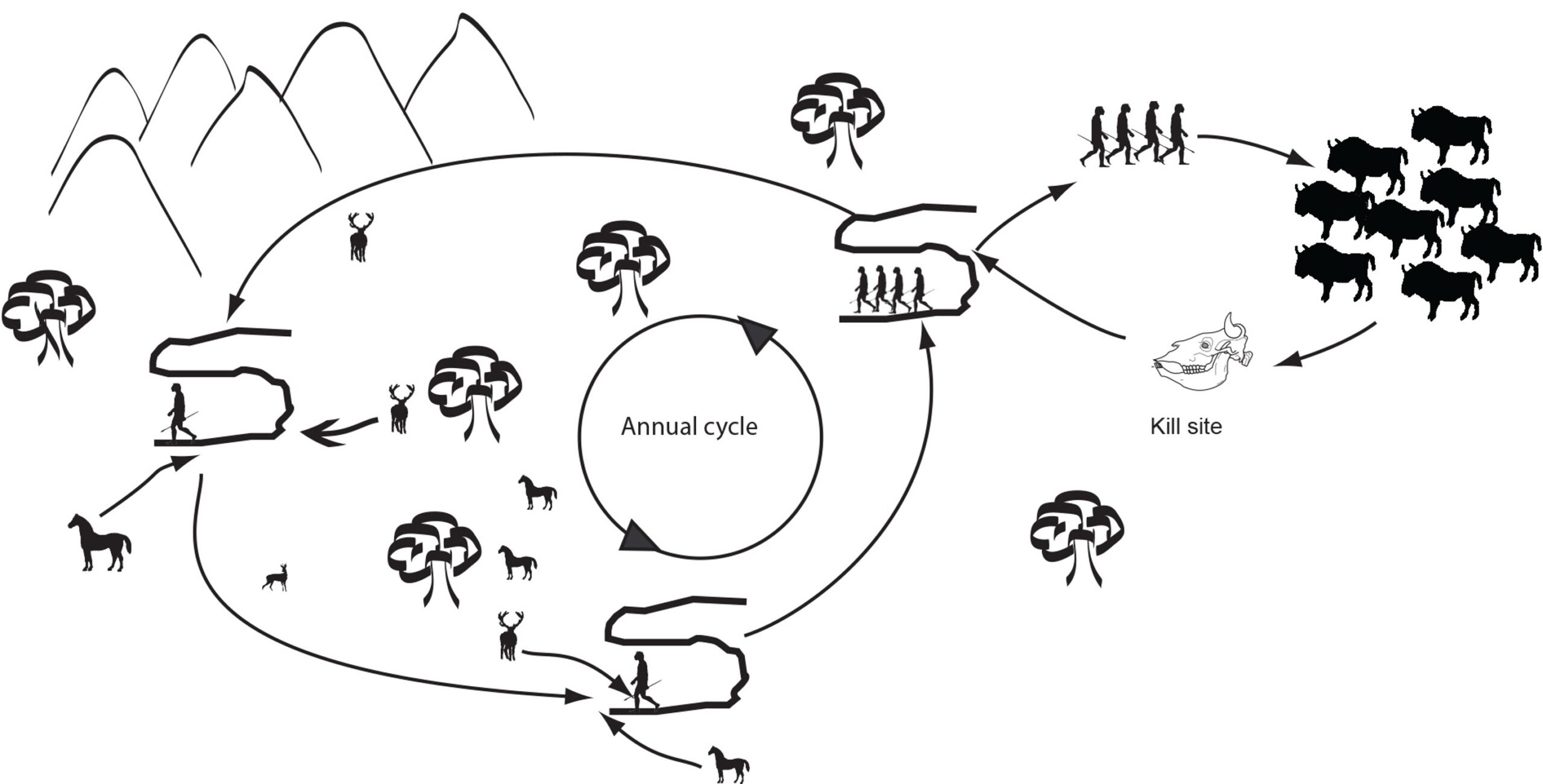
Mobility and hunting organization
Denisova cave: Seasonality of human occupation of the cave


Strashnaiya cave: Human/Carnivore competition

New referentials: developement of New referentials for a broader application